
NAD+ and Heart Health: A Review
Cardiovascular disease is the leading cause of death globally: 17.9 million people each year[1]. With aging populations and a rising tide of heart disease, scientists are searching for novel ways to support cardiac health.
One molecule keeps cropping up in the data: NAD+. Short for nicotinamide adenine dinucleotide, this coenzyme does much more than help the cells in your body generate energy. NAD+ regulates DNA repair, inflammation, and oxidative stress—the breakdown of heart tissue over time.
The heart is always on duty. A healthy heart beats about 100,000 times per day, requiring more energy per gram than any other organ. When NAD+ is in short supply—which occurs naturally with aging—your heart can’t keep pace.
Highlights
- NAD+ powers the mitochondria that generate ATP, the energy currency your heart cells need to contract and relax
- Between ages 40 and 60, cardiac NAD+ levels can decline by up to 50%, impairing energy production and cellular repair
- Clinical trials show NAD+ precursors like NR and NMN safely raise NAD+ levels and correlate with improved heart function markers
- Testing your NAD+ levels removes the guesswork from supplementation and helps you track whether interventions actually work
How Does NAD+ Support Heart Function?
Your heart relies on NAD+ for numerous related processes. Consider NAD+ as backstage support that allows these systems to function—when everything operates smoothly, your heart is robust and resilient.
Energy Production and Metabolism
Your heart cells have the highest demand for ATP in your body of any tissue by a wide margin. If you’ve ever had the experience of your heart “pounding” when you’re exercising or stressed, this is what that’s all about.
NAD+ is at the center of this energy producing machine. NAD+ is the key electron shuttle in glycolysis, the citric acid cycle, and the electron transport chain (the three major processes in your cells that convert your food into usable energy). If there is not enough NAD+ available, these processes cannot run at full speed. The heart cells start getting less fuel, even though demand has not dropped.
Low NAD+ levels are documented in patients with heart failure[2]. This is coupled with lower NAD+/NADH ratios. The combination results in “metabolic rigidity”, where the failing heart loses its metabolic flexibility to burn fats and glucose.
Mitochondrial Health and Quality Control
Mitochondria make up about 30-40% of each heart muscle cell. These cellular “powerhouses” need constant maintenance to function properly, much like engines need oil changes and tune-ups.
NAD+ activates a protein called SIRT3 that maintains healthy mitochondrial function. SIRT3 deacetylates hundreds of mitochondrial proteins, including the proteins that make up your electron transport chain and antioxidant enzymes like manganese superoxide dismutase (one of the enzymes that helps your cells combat free radical damage).
If NAD+ levels get low, SIRT3 activity decreases[3]. Mitochondrial proteins become hyperacetylated (loaded with acetyl groups that disrupt their activity). Damaged mitochondria begin to build up since the process of mitophagy (the way your cells clean out and recycle damaged mitochondria) becomes impaired.
The end result is a buildup of dysfunctional mitochondria in your heart muscle cells that produce less energy and more reactive oxygen species (ROS).
Oxidative Stress Defense
Your heart generates tremendous amounts of ROS as a byproduct of energy production. Small amounts of ROS serve as signaling molecules—they’re actually useful. But too much causes serious damage to proteins, fats, and DNA.
NAD+ supports your cellular antioxidant systems in multiple ways. Through SIRT3, it activates enzymes like MnSOD and catalase that neutralize ROS in mitochondria. Research shows that preserving NAD+ levels increases glutathione—your body’s master antioxidant—and improves the ratio of reduced to oxidized glutathione[4].
When NAD+ depletes, this antioxidant defense weakens. Oxidative damage accelerates, creating a destructive cycle where ROS damages mitochondria, which then produce even more ROS. Breaking this cycle is one reason why restoring NAD+ levels shows such promising results in heart disease.
CLIA-Certified NAD Test Kit
Test your NAD+ levels from home.
What Happens When NAD+ Levels Drop?
Age is more than a number; it’s a factor that steadily lowers the NAD+ stores in your tissues, including your heart tissue. And this isn’t just a small change—it’s a fundamental difference that changes the ability of your heart to guard and repair itself.
Age-Related Decline in Heart Tissue
A number of different species all show the same trend: NAD+ levels fall as we age[5]. The rate of decline differs by tissue, but for cardiac tissue, the drop-off is consistent.
You can lose up to 50% of your cardiac NAD+ between age 40 and 60[6]. This isn’t a small blip; this is a massive swing that shifts the balance of every NAD+-dependent reaction in your heart.
This decline shows in healthy and disease states alike. Your heart doesn’t lose NAD+ just because it’s sick. It’s more likely to get sick because it’s losing NAD+. This is an important distinction when we consider prevention.
The Inflammation-CD38 Connection
Several processes contribute to age-associated NAD+ loss. One of the primary culprits is the enzyme CD38, an NAD+ destroyer.
CD38 expression and activity increase with age, leading to accelerated NAD+ breakdown[7]. CD38 knockout mice (mice genetically engineered to lack this enzyme) have been found to maintain higher levels of NAD+ and better metabolic health as they age[8].
Chronic low-grade inflammation, a hallmark of aging also known as “inflammaging,” exacerbates this issue. Inflammatory signals upregulate CD38 expression, further depleting NAD+ levels and perpetuating a vicious cycle of inflammation and metabolic decline.
Senescent cells, which are damaged cells that refuse to undergo apoptosis (programmed cell death) and instead secrete harmful compounds, play a role in this process. Senescent cells secrete inflammatory factors that induce CD38 expression in neighboring healthy cells, propagating NAD+ depletion throughout tissues like a virus.
Can NAD+ Help Specific Heart Conditions?
The evidence for a relationship between NAD+ and heart health is more than theoretical. As NAD+ levels are restored, it is possible to measure specific benefits in certain cardiovascular conditions. Here’s what we know so far.
Heart Failure
Millions of people are living with heart failure. If you or a loved one has been diagnosed with this condition, you know just how tiring even mild activity can become. The failing heart is characterized by a host of metabolic dysfunctions, and NAD+ depletion seems to be a common finding in these patients.
Animal studies have shown that NAD+ precursors can prevent or even reverse heart failure[9]. In models of pressure overload (in which the heart must pump against increased resistance, akin to uncontrolled high blood pressure), NR (nicotinamide riboside) supplementation has been shown to reduce cardiac hypertrophy (abnormal growth), fibrosis (scarring), and dysfunction.
In the first human trial in patients with heart failure, 30 people with stable heart failure were given 1,000 mg of NR twice daily for 12 weeks. NR was well-tolerated, safe, and it doubled whole blood NAD+ levels[10].
The first-in-human study was designed primarily to assess safety but did note associations with increased mitochondrial respiration in blood cells and decreases in inflammatory markers. There are now larger trials underway to test whether these biological effects result in improved symptoms and outcomes.
Dr. Jin-Xiong She notes: “NAD+ depletion is one of the most reliable pathological findings in failing hearts. NAD+ restoration would hit multiple pathological pathways at once. This is why NAD+ is so uniquely appealing for heart failure, where single-target therapies have had limited success.”
High Blood Pressure and Vascular Function
If you have high blood pressure, you are in the company of about 1 in 3 American adults. Hypertension harms your cardiovascular system in numerous ways, and NAD+ depletion is directly involved.
Immune cell NAD+ levels in hypertensive patients were 44% lower than in healthy controls, in a first-of-its-kind human study[11]. Lower NAD+ was associated with higher blood pressure and greater arterial stiffness (less NAD+ = higher blood pressure/stiffer arteries), and lower endothelial function (blood vessel dilation).
CD38 is the culprit once again. Pro-inflammatory immune cells migrate into blood vessel walls, where they release IL-1β (an inflammatory signaling molecule), which activates pathways that increase CD38 expression in endothelial cells (cells that line your blood vessels). NAD+ degradation is accelerated where it’s needed most.
Supplementing hypertensive patients and hypertensive mice with NMN lowered blood pressure and improved vascular function. The effect involved restoring endothelial NAD+ levels and increasing nitric oxide production (nitric oxide helps blood vessels relax). Nitric oxide is your blood vessels’ natural chill pill.
Diabetic Heart Complications
Diabetic cardiomyopathy is marked by severe NAD+ redox imbalance. Heart disease is a major killer and if you have diabetes, you want to make sure you are looking after your heart.
We can see a lower NAD+/NADH ratio in the diabetic heart which is indicative of severe metabolic stress[12]. This contributes to protein hyperacetylation (a clogging of proteins with acetyl groups), increased oxidative stress, altered modification of contractile proteins and reduced ATP production.
Experimental data has shown that forcing a lower NAD+/NADH ratio leads to a more rapid development of diabetic heart dysfunction. On the other hand, elevating NAD+ in the diabetic heart by overexpressing NAMPT (the enzyme that synthesizes NAD+ from nicotinamide) normalizes the redox ratio and ameliorates diabetic cardiomyopathy.
Blocking SARM1 (another NAD+ degrading enzyme) also prevents diabetic cardiomyopathy by maintaining cardiac NAD+ levels. You can therefore work from two angles when it comes to NAD+ restoration; upregulating synthesis or downregulating degradation. Therapies in the future will likely target both at the same time.
🧬 MORE READING
- Wondering how to boost mitochondria? Here are the best mitochondrial health supplements based on science.
- Research shows NAD+ levels and diabetes are connected through metabolic pathways.
- Looking at the bigger picture? These longevity biomarkers reveal what’s happening at the cellular level.
How to Restore NAD+ for Heart Health
If NAD+ depletion contributes to cardiovascular disease, can you reverse it? Research suggests yes, through supplementation with NAD+ precursors. Here’s what you need to know.
NR and NMN: What the Research Shows
Two NAD+ precursors have the most clinical support: nicotinamide riboside (NR) and nicotinamide mononucleotide (NMN). Both are forms of vitamin B3 that your body converts into NAD+. Here’s what the research shows for each.
Nicotinamide Riboside (NR)
NR gets converted to NMN inside cells, which then becomes NAD+. Human studies show reliable NAD+ increases[13]:
- Single doses of 100-1000 mg increase blood NAD+ levels dose-dependently
- 1000 mg doses produce approximately 2.7-fold increases in NAD+
- Effects appear within hours and build with consistent use
Research-backed doses for heart health:
- Heart failure trial: 1,000 mg twice daily for 12 weeks (safe and effective)
- Blood pressure/arterial stiffness: 500 mg twice daily showed improvements in older adults[14]
Nicotinamide Mononucleotide (NMN)
NMN converts directly to NAD+ and shows rapid absorption. Studies with doses ranging from 250-900 mg daily safely increase NAD+ levels[15].
Cardiovascular benefits seen in research:
- Reduced blood pressure in hypertensive patients
- Improved vascular function and endothelial health
- Enhanced nitric oxide production for better blood vessel flexibility
Safety Profile
Both precursors demonstrate excellent safety across multiple studies. Here’s what to expect:
Common (but mild) side effects:
- Occasional gastrointestinal discomfort
- Transient fatigue when starting
- Neither causes the flushing associated with high-dose niacin (that uncomfortable hot, red feeling)
Which should you choose? The choice between NR and NMN often comes down to individual preference and availability. Both effectively raise NAD+ levels, though they may have slightly different kinetics and tissue distribution. Everyone’s different, so what works best for your friend might not be optimal for you.
Important: If you’re considering NAD+ supplementation, especially if you have existing heart conditions or take medications, consult with your healthcare provider first. NAD+ precursors can interact with certain medications and may not be appropriate for everyone.
Testing Your NAD+ Levels
Here’s the problem with general supplement recommendations: they’re general. What works for one person might be insufficient or excessive for another. Your genetics, lifestyle, diet, stress levels, and existing health conditions all influence your NAD+ status.
Testing removes this guesswork. When you measure your baseline NAD+ levels, you know where you actually stand. Not where you assume you stand based on age or symptoms, but where you objectively are.
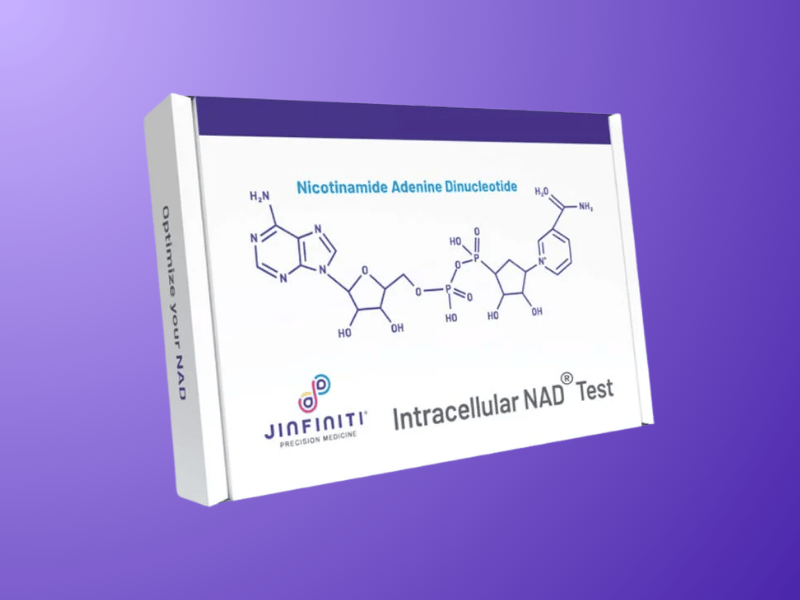
The Intracellular NAD+ Test measures NAD+ inside your cells—where it actually does its work. The test uses a simple finger-prick blood sample you collect at home. No lab visits, no appointments.
After supplementing for 3-4 weeks, you retest. This shows whether your chosen precursor and dose are actually working for your unique physiology. If your levels haven’t improved adequately, you can adjust your approach. If they’re optimal (typically 40-100 μM), you know you’re on the right track.
This test-act-optimize cycle transforms supplementation from guesswork into precision. You’re not hoping your intervention works. You’re verifying it with data.
Frequently Asked Questions
Can NAD+ supplements replace heart medications?
No. NAD+ precursors should be viewed as complementary to, not replacements for, prescribed medications. Never stop or modify heart medications without consulting your doctor.
How long does it take to see results from NAD+ supplementation?
Most studies show NAD+ levels increase within 2-4 weeks of starting supplementation. However, the time to notice subjective improvements (like energy or exercise tolerance) varies by individual. Some people report changes within weeks, others take months.
Are there any heart conditions where NAD+ supplementation isn’t recommended?
Current evidence suggests NAD+ precursors are generally safe, but research is still limited. If you have active cancer, severe liver disease, or are pregnant/breastfeeding, discuss supplementation with your healthcare provider before starting.
Does diet affect NAD+ levels?
Yes. Foods rich in NAD+ precursors include milk, fish, poultry, mushrooms, and green vegetables. However, dietary sources alone typically don’t provide therapeutic amounts—that’s where supplementation comes in.
Can I take too much NAD+?
NAD+ levels above 100 μM may not provide additional benefits and could potentially be harmful. This is why testing is valuable—it prevents both under- and over-supplementation.
The Bottom Line
Your heart never stops demanding energy. And NAD+ supports the metabolic processes that keep your heart pumping, repair cellular damage, regulate inflammation, and protect against oxidative stress. Research on NAD+ and heart health includes studies at the cellular level, in animal models, and in human clinical trials.
Larger and longer human trials will help to refine optimal dosing and timing, but the data so far is promising for NAD+ restoration as an approach to cardiovascular health. Whether your goal is to manage a specific heart condition or to support your heart as you age, NAD+ is one piece of the puzzle that can help you have a heart-healthy life.
Your heart beats nonstop, from birth to death. Ensuring that your heart has the NAD+ it needs to do its job isn’t just a matter of adding years to your life—it’s also a matter of adding life to your years.
Referenced Sources
- Martin SS, Aday AW, Almarzooq ZI, Anderson CAM, Arora P, Avery CL, et al. 2024 Heart Disease and Stroke Statistics: A Report of US and Global Data From the American Heart Association. Ovid Technologies (Wolters Kluwer Health); 2024. https://doi.org/10.1161/cir.0000000000001209
- 2. Lee CF, Chavez JD, Garcia-Menendez L, Choi Y, Roe ND, Chiao YA, et al. Normalization of NAD + Redox Balance as a Therapy for Heart Failure. Ovid Technologies (Wolters Kluwer Health); 2016. https://doi.org/10.1161/circulationaha.116.022495
- 3. Kane AE, Sinclair DA. Sirtuins and NAD + in the Development and Treatment of Metabolic and Cardiovascular Diseases. Ovid Technologies (Wolters Kluwer Health); 2018. https://doi.org/10.1161/circresaha.118.312498
- Wang LF, Huang CC, Xiao YF, Guan XH, Wang XN, Cao Q, et al. CD38 Deficiency Protects Heart from High Fat Diet-Induced Oxidative Stress Via Activating Sirt3/FOXO3 Pathway. S. Karger AG; 2018. https://doi.org/10.1159/000492651
- Fang EF, Lautrup S, Hou Y, Demarest TG, Croteau DL, Mattson MP, et al. NAD + in Aging: Molecular Mechanisms and Translational Implications. Elsevier BV; 2017. https://doi.org/10.1016/j.molmed.2017.08.001
- Yuan Y, Liang B, Liu XL, Liu WJ, Huang BH, Yang SB, et al. Targeting NAD+: is it a common strategy to delay heart aging?. Springer Science and Business Media LLC; 2022. https://doi.org/10.1038/s41420-022-01031-3
- Schultz MB, Sinclair DA. Why NAD + Declines during Aging: It’s Destroyed. Elsevier BV; 2016. https://doi.org/10.1016/j.cmet.2016.05.022
- Escande C, Nin V, Price NL, Capellini V, Gomes AP, Barbosa MT, et al. Flavonoid Apigenin Is an Inhibitor of the NAD+ase CD38: Implications for Cellular NAD+ Metabolism, Protein Acetylation, and Treatment of Metabolic Syndrome. Diabetes 2013;62:1084-1093. American Diabetes Association; 2014. https://doi.org/10.2337/db14-er04
- Ma S, Feng J, Lin X, Liu J, Tang Y, Nie S, et al. Nicotinamide Riboside Alleviates Cardiac Dysfunction and Remodeling in Pressure Overload Cardiac Hypertrophy. Wiley; 2021. https://doi.org/10.1155/2021/5546867
- Wang DD, Airhart SE, Zhou B, Shireman LM, Jiang S, Melendez Rodriguez C, et al. Safety and Tolerability of Nicotinamide Riboside in Heart Failure With Reduced Ejection Fraction. Elsevier BV; 2022. https://doi.org/10.1016/j.jacbts.2022.06.012
- Qiu Y, Xu S, Chen X, Wu X, Zhou Z, Zhang J, et al. NAD+ exhaustion by CD38 upregulation contributes to blood pressure elevation and vascular damage in hypertension. Springer Science and Business Media LLC; 2023. https://doi.org/10.1038/s41392-023-01577-3
- Berthiaume JM, Kurdys JG, Muntean DM, Rosca MG. Mitochondrial NAD+/NADH Redox State and Diabetic Cardiomyopathy. Mary Ann Liebert Inc; 2019. https://doi.org/10.1089/ars.2017.7415
- Airhart SE, Shireman LM, Risler LJ, Anderson GD, Nagana Gowda GA, Raftery D, et al. An open-label, non-randomized study of the pharmacokinetics of the nutritional supplement nicotinamide riboside (NR) and its effects on blood NAD+ levels in healthy volunteers. Public Library of Science (PLoS); 2017. https://doi.org/10.1371/journal.pone.0186459
- Freeberg KA, Udovich CC, Martens CR, Seals DR, Craighead DH. Dietary Supplementation With NAD+-Boosting Compounds in Humans: Current Knowledge and Future Directions. Oxford University Press (OUP); 2023. https://doi.org/10.1093/gerona/glad106
- Yamaguchi S, Irie J, Mitsuishi M, Uchino Y, Nakaya H, Takemura R, et al. Safety and efficacy of long-term nicotinamide mononucleotide supplementation on metabolism, sleep, and nicotinamide adenine dinucleotide biosynthesis in healthy, middle-aged Japanese men. Japan Endocrine Society; 2024. https://doi.org/10.1507/endocrj.ej23-0431
Read More