Cystatin C Test: Normal Range, High Levels and Why It Matters
Roughly 37 million American adults have chronic kidney disease. The troubling part? Around 90% don’t know it.
Traditional kidney function tests miss early signs of decline. Standard creatinine testing can fail to detect problems until you’ve lost half your kidney function. A better marker exists that catches kidney disease years earlier: the cystatin C test.
What You Should Know
- Cystatin C detects kidney problems earlier and more accurately than standard creatinine tests
- Normal levels range from 0.6-1.2 mg/L, with elevated levels signaling reduced kidney function
- Unlike creatinine, cystatin C isn’t affected by muscle mass, diet, age, or gender
- Research shows cystatin C identifies 41% more people with chronic kidney disease than creatinine alone
What is Cystatin C?
Cystatin C is a small protein that your body produces at a constant rate. Every cell with a nucleus in your body makes it continuously.
The kidneys clear cystatin C from your bloodstream. If your kidney function worsens, cystatin C builds up in your blood. That’s why it’s the ideal marker for estimated glomerular filtration rate (eGFR), the gold standard for kidney health[1].
The beauty of cystatin C? The rate it’s produced in your body doesn’t change based on what you eat, how much muscle mass you have, or whether you’re 25 or 75. That stability makes it far more reliable than traditional markers of kidney function.
Normal Range and What High Levels Mean
Normal Cystatin C Levels
Reference ranges shift slightly with age:
- Adults 18-49 years: 0.63-1.03 mg/L
- Adults 50+ years: 0.67-1.21 mg/L
- General adult range: 0.6-1.2 mg/L
These ranges represent healthy kidney filtration. Staying within them suggests your kidneys are clearing waste efficiently.
What High Levels Indicate
Elevated cystatin C (above 1.2-1.3 mg/L) primarily signals impaired kidney function. But high levels can also point to:
- Diabetes complications
- Chronic inflammation
- Cardiovascular disease risk
- Thyroid problems (hyperthyroidism)
- Obesity
One study found that 76% of patients with kidney dysfunction showed elevated cystatin C, compared to only 20% with elevated creatinine[2]. The test caught problems standard testing missed entirely.
Understanding inflammatory biomarkers alongside cystatin C gives you a fuller picture of your health status.
Comprehensive Health Assessment
Test cystatin C with 27 other longevity markers.

Why Cystatin C Beats Creatinine for Kidney Testing
Creatinine comes from muscle breakdown. That creates significant problems for accuracy.
Your creatinine levels fluctuate based on muscle mass. Bodybuilders show falsely high readings. Elderly people with muscle loss show falsely normal readings even with declining kidney function.
Diet affects creatinine too. High protein intake artificially elevates levels. Certain medications interfere with the test. Gender and age require constant adjustments to reference ranges.
Most troubling? Creatinine may not rise until 50% of kidney function is lost. That’s a decade of missed opportunities for intervention.
Cystatin C’s Advantages for Kidney Health
One study looked at people who were very physically active. One group had significantly higher muscle mass than the other group. The serum cystatin C level was exactly the same in both groups[3].
Dr. Michael Shlipak at the San Francisco VA Health Care System states it plainly: “Cystatin C is clearly superior to creatinine because it overcomes the major weakness of creatinine’s inaccuracy in people with reduced muscle or limited activity.”
Cystatin C rises earlier when kidneys start failing. In young children who had cardiac surgery, plasma cystatin C peaked at 8 hours compared to creatinine peaking at 48 hours[4]. Earlier detection means earlier treatment.
The combined creatinine-cystatin C equation achieves 84-94% accuracy compared to gold-standard GFR measurements. Creatinine alone? 80-84% at best[5].
Learning about these different types of biomarkers can help you understand why some tests work better than others for specific health conditions.
Research-Backed Evidence
The New England Journal of Medicine featured a study with over 90,000 participants.
13.7% had chronic kidney disease by cystatin C testing versus only 9.7% by testingcreatinine alone[6]. That’s a 41% increase in disease detection.
When cystatin C reclassified people to lower kidney function categories, they faced significantly higher mortality risk. Hazard ratios jumped to 1.55-1.76 for death.
The Heart and Soul Study tracking 990 people with coronary heart disease found those in the highest cystatin C quartile experienced[7]:
- 3.6-fold increased risk of death
- 2.0-fold increased cardiovascular event risk
- 2.6-fold increased heart failure risk
A meta-analysis of over 22,000 participants across 14 studies found even broader patterns[8]. Those with the highest cystatin C levels faced 162% increased cardiovascular disease risk and 122% increased all-cause mortality.
These risks existed independent of standard creatinine measures. Traditional testing was missing critical warning signs.
Dr. Jennifer Lees at the University of Glasgow reviewed the evidence comprehensively: “Cystatin C improves sensitivity and specificity of chronic kidney disease diagnosis, improves detection of harmful acute and chronic changes in kidney function, improves precision of treatment eligibility and safety.”[9]
The 2024 KDIGO guideline now recommend using both creatinine and cystatin C together for the most accurate kidney function assessment.
“At Jinfiniti, we’ve seen how measuring advanced biomarkers like cystatin C transforms patient care,” notes Dr. Jin-Xiong She. “Catching kidney decline early gives people years to modify risk factors before irreversible damage occurs. That’s the power of precision testing.”
Your kidneys affect everything from blood pressure to NAD+ levels and diabetes risk. Keeping tabs on kidney health protects your entire system.
🧬 MORE READING
- Blood work can reveal protein deficiencies early. Understanding your albumin blood test results helps catch liver and kidney issues before symptoms appear.
- Muscle soreness or something more serious? Learn what creatine kinase levels tell you about muscle damage and heart health.
- Inflammation drives kidney damage. Discover which oxidative stress markers reveal hidden cellular damage.
Who Should Get a Cystatin C Test?
The test proves most valuable in specific situations:
- Borderline kidney function: If your creatinine-based GFR sits at 45-59 mL/min/1.73m² without protein in your urine, cystatin C confirms whether you truly have kidney disease.
- Unusual body composition: Malnutrition, obesity, amputation, high muscle mass from athletics, or muscle wasting conditions all throw off creatinine. Cystatin C stays accurate.
- Medication decisions: When drugs you need are hard on kidneys or require precise dosing, cystatin C gives you the accurate GFR needed for safety.
- Rapidly changing situations: Hospitalized patients, acute kidney injury, or conditions where kidney function fluctuates quickly benefit from cystatin C’s sensitivity.
- Older adults: Muscle mass naturally declines with age. Creatinine becomes increasingly unreliable after 60, while cystatin C maintains accuracy.
A comprehensive longevity bioarker testing panel should include cystatin C alongside other markers to catch problems before symptoms appear.
Understanding Your Test Results
Your cystatin C level translates directly to estimated GFR. Higher cystatin C means lower GFR and reduced kidney function.
Results get combined with creatinine for the most accurate picture. When both tests agree, confidence in the diagnosis increases. When they disagree, cystatin C usually reveals the truth.
Some conditions raise cystatin C without affecting kidneys. Hyperthyroidism, corticosteroid use, and high inflammation can elevate levels. Your doctor accounts for these when interpreting results.
The test costs more than basic creatinine (around $17-18 versus under $2), but the improved accuracy prevents costly complications down the road. Finding kidney disease a decade earlier can save your life.
Regular testing matters most. One measurement establishes your baseline. Follow-up tests every 6-12 months track whether your kidney function stays stable, improves, or declines.
Research shows that approximately 11% of outpatients and 35% of hospitalized patients show large discordances between cystatin C and creatinine-based measurements[10].
When the two tests disagree significantly, the people whose cystatin C indicates worse function face elevated mortality risk that creatinine testing completely misses.
Dr. Shlipak raises a critical question: “The obvious mystery is why after 15 years we’re still not using it very much. I can’t explain why the medical field is content to continue using creatinine when we have a better alternative.”
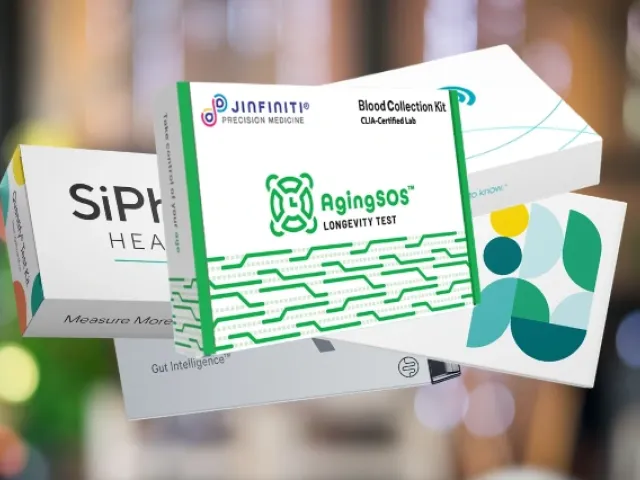
Don’t wait for standard testing to miss the warning signs. Ask your doctor for a comprehensive assessment like our AgingSOS at-home panel that includes cystatin C.
Referenced Sources
- Benoit SW, Ciccia EA, Devarajan P. Cystatin C as a biomarker of chronic kidney disease: latest developments. Informa UK Limited; 2020. https://doi.org/10.1080/14737159.2020.1768849
- Villa P, Jiménez M, Soriano MC, Manzanares J, Casasnovas P. Serum cystatin C concentration as a marker of acute renal dysfunction in critically ill patients. Springer Science and Business Media LLC; 2005. https://doi.org/10.1186/cc3044
- Baxmann ACAA, Ahmed MS, Marques NAAC, Menon VB, Pereira AB, Kirsztajn GM, et al. Influence of Muscle Mass and Physical Activity on Serum and Urinary Creatinine and Serum Cystatin C. Ovid Technologies (Wolters Kluwer Health); 2008. https://doi.org/10.2215/cjn.02870707
- Makinde RA, Alaje AK, Ajose AO, Adedeji TA, Onakpoya UU. Cardiac Surgery-Associated Acute Kidney Injury (CSA-AKI) in Children with Congenital Heart Diseases in Southwest Nigeria. Ovid Technologies (Wolters Kluwer Health); 2025. https://doi.org/10.4103/aca.aca_104_24
- Russel WA, Fu EL, Bosi A, Caldinelli A, Inker LA, Chang AR, et al. Obesity, Underweight, and Accuracy of eGFR Using Cystatin C and Creatinine in a Northern European Population. Ovid Technologies (Wolters Kluwer Health); 2025. https://doi.org/10.1681/asn.0000000760
- Shlipak MG, Matsushita K, Ärnlöv J, Inker LA, Katz R, Polkinghorne KR, et al. Cystatin C versus Creatinine in Determining Risk Based on Kidney Function. Massachusetts Medical Society; 2013. https://doi.org/10.1056/nejmoa1214234
- Ix JH, Shlipak MG, Chertow GM, Whooley MA. Association of Cystatin C With Mortality, Cardiovascular Events, and Incident Heart Failure Among Persons With Coronary Heart Disease. Ovid Technologies (Wolters Kluwer Health); 2007. https://doi.org/10.1161/circulationaha.106.644286
- Lee M, Saver JL, Huang WH, Chow J, Chang KH, Ovbiagele B. Impact of Elevated Cystatin C Level on Cardiovascular Disease Risk in Predominantly High Cardiovascular Risk Populations. Ovid Technologies (Wolters Kluwer Health); 2010. https://doi.org/10.1161/circoutcomes.110.957696
- Lees JS, Fabian J, Shlipak MG. Cystatin C should be routinely available for estimating kidney function. Ovid Technologies (Wolters Kluwer Health); 2024. https://doi.org/10.1097/mnh.0000000000000980
- Estrella MM, Ballew SH, Sang Y, Grams ME, Coresh J, Surapaneni A, et al. Discordance in Creatinine- and Cystatin C–Based eGFR and Clinical Outcomes. American Medical Association (AMA); 2025. https://doi.org/10.1001/jama.2025.17578
Read More