Creatine Pills vs Powder: Cost and Effectiveness Breakdown
Written on . Posted in Creatine, Supplements.
When you shop for creatine, you’ll see it in both powder and pill form. Some people think pills might work better or absorb faster, but that isn’t true.
The main difference is how you take them. Both pills and powder give your muscles the same creatine monohydrate.
Studies show there’s no real difference in how much creatine your muscles get or how well it works. The real choice is about price, convenience, and whether you want to swallow several pills or mix up a drink each day.
What You Should Know
- Creatine supplements in capsule and powder form deliver the same muscle mass and performance benefits when you match the dosage.
- You’ll pay 50-70% more per serving for the pill form compared to powder.
- Standard 5-gram dose requires swallowing 4-7 capsules daily vs. one scoop of powder.
- The powder form contains zero additives while capsules need gelatin shells and flow agents.
Do Creatine Pills Work As Well As Powder?
Creatine pills work the same way as powder. Your muscles don’t care whether the creatine supplement arrived in a capsule or a shake.
When you take creatine regularly, both forms deliver the same benefits of creatine for muscle mass, strength, and performance.
Creatine monohydrate powder shows approximately 99% bioavailability. Capsules typically show similar numbers at 90-95% bioavailability, with the only delay coming from the time it takes for the gelatin or vegetable shell to dissolve.
The Absorption Rate Reality
“Differences in bioavailability are thought to be unlikely since absorption of [creatine monohydrate] is already close to 100%,” according to a pharmacokinetic study examining various creatine forms[1].
This makes sense when you understand how creatine supplementation works. It doesn’t need precise timing like pre-workout stimulants. Creatine builds up in your muscles over weeks of daily supplementation (a process called saturation), not from any single dose.
What About Bioavailability?
The slight absorption speed difference between pills and powder means nothing for your results. Creatine works through gradual muscle saturation, not acute timing.
If powder dissolves 15 minutes faster than a capsule, that’s irrelevant. Your creatine stores build over 3-4 weeks regardless of which form you take.
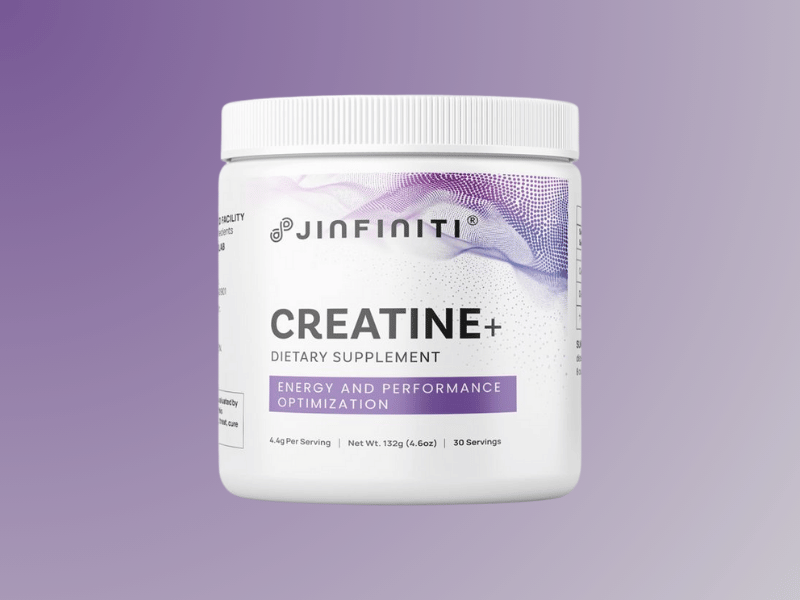
Dr. She’s Creatine Formula
Pure creatine with ATP for total body performance.
How Much Does Creatine Cost in Pills vs Powder?
This is where the forms actually differ. Powder costs substantially less.
Market analysis shows generic micronized creatine powder retails for around $0.33 per serving, while popular branded capsules range from $0.66 to over $1.00 per serving for the same 5-gram dose.
| Feature | Creatine Powder | Creatine Capsules |
|---|---|---|
| Price Per Serving (5g) | $0.30 – $0.45 | $0.70 – $1.20 |
| Monthly Cost | $10 – $15 | $25 – $40 |
| Value | High (bulk commodity) | Low (paying for manufacturing) |
| Purity | Often 100% pure | Contains fillers/binders |
| Serving Size | 1 scoop (5g) | 4-7 pills (for 5g) |
| Taste | Chalky/neutral | Tasteless |
| Vegan-Friendly | Usually yes | Usually no (gelatin) |
| Best For | Daily home use, budget-conscious | Travel, gym bag, texture-sensitive |
You’re paying double or triple for the convenience of not mixing a powder. That might be worth it if you travel constantly. For daily home use, you’re essentially paying a “laziness tax.”
The Hidden Downside of Creatine Capsules
Most people don’t realize how many pills they need to swallow. This catches users off guard after their first purchase.
How Many Pills Equal One Scoop?
A standard effective dose when you take creatine is 5 grams daily. Most capsules contain only 750mg to 1.25g of creatine.
Do the math: you need 4 to 7 pills daily to equal one teaspoon of the powder form.
That’s a lot of swallowing. If you have trouble with pills, or you’re already taking other supplements, this becomes a real inconvenience.
Micronized creatine powder measures approximately 1.4 teaspoons for 5 grams. One scoop, done. You can mix it into your morning coffee, protein shake, or just water.
What’s Actually Inside Your Capsules
Capsules require manufacturing aids to hold their shape and flow through production machinery.
Common additives in creatine capsules include:
- Magnesium stearate: A “flow agent” that prevents ingredients from sticking to manufacturing equipment
- Gelatin: The capsule shell itself, typically derived from bovine or porcine sources (making standard capsules non-vegan)
- Silicon dioxide: An anti-caking agent that keeps the powder inside the pill dry
If you want zero additives, micronized powder wins every time.
Which Form Causes Less Stomach Issues?
This depends on your specific digestive sensitivity and personal preference.
The powder form can cause bloating or cramping if you don’t dissolve it completely or take it with too little water. Undissolved creatine can draw water into the intestines, causing digestive distress[2].
The pill form often feels easier on the stomach because it prevents gritty powder from sitting in your mouth or throat. The downside? Swallowing 5+ large pills can cause esophageal discomfort or a feeling of heaviness in your stomach.
Mix your powder thoroughly and drink it immediately. This solves most digestive issues without the pill burden.
Are Creatine Pills Vegan-Friendly?
Usually not. This surprises many users who assume pills are more “pure” than powder.
Standard gelatin capsules come from animal products (cow or pig sources). You can find vegetarian capsules, which are fairly common.
Pure creatine monohydrate powder is almost always vegan by default. It’s a simple crystalline compound with no animal derivatives.
If you follow a plant-based diet, the powder form makes your life easier. Vegans who supplement with creatine often see bigger gains in muscle mass than meat-eaters because they start with lower baseline stores.
🧬 MORE CREATINE INSIGHTS
- Still comparing forms? Creatine gummies vs powder reveals another convenient option’s true cost.
- Considering different supplements for energy? Creatine vs L-carnitine shows how these compounds work in different ways.
- Ready to start but confused about dosing? Read our complete creatine beginner’s guide on loading phases and timing.
When Capsules Make More Sense Than Powder
Despite the downsides, capsules have legitimate use cases.
Capsules excel for travel and convenience. You can throw a bottle in your gym bag without worrying about spills, measuring, or having clean water nearby. They’re tasteless and require zero preparation.
If you have severe texture issues with powder, capsules eliminate that completely. Some people gag on even perfectly dissolved creatine powder. For them, the extra cost is worth it.
Short trips and business travel make capsules sensible. Pack what you need in a small bottle. No mess, no mixing, no questions at airport security.
For daily home use, powder wins. But keep a bottle of capsules for travel.
What Experts Recommend for Most People
The supplement industry consensus strongly favors simple creatine monohydrate powder as the best form of creatine supplementation.
The International Society of Sports Nutrition states: “Creatine monohydrate continues to be the only source of creatine that has substantial evidence to support bioavailability, efficacy, and safety.”[3]
“After 30 years of research, creatine monohydrate remains the gold standard,” says Dr. Jin-Xiong She, founder of Jinfiniti Precision Medicine. “The form doesn’t change the science. Whether it’s powder, capsules, or gummies, you’re getting the same molecule. I tell people to choose based on budget, convenience or formulation.”
The research backs this up. Studies comparing different creatine forms consistently show that monohydrate performs as well or better than expensive alternatives[4]. Personal preference matters, but the benefits of creatine remain consistent regardless of format.
Save your money. Buy plain creatine monohydrate powder unless you have a specific reason to choose capsules.
Referenced Sources
- Jäger R, Harris RC, Purpura M, Francaux M. Comparison of new forms of creatine in raising plasma creatine levels. Informa UK Limited; 2007. https://doi.org/10.1186/1550-2783-4-17
- Ostojic SM, Ahmetovic Z. Gastrointestinal Distress After Creatine Supplementation in Athletes: Are Side Effects Dose Dependent? Informa UK Limited; 2008. https://doi.org/10.1080/15438620701693280
- Kreider RB, Jäger R, Purpura M. Bioavailability, Efficacy, Safety, and Regulatory Status of Creatine and Related Compounds: A Critical Review. MDPI AG; 2022. https://doi.org/10.3390/nu14051035
- Kreider RB, Kalman DS, Antonio J, Ziegenfuss TN, Wildman R, Collins R, et al. International Society of Sports Nutrition position stand: safety and efficacy of creatine supplementation in exercise, sport, and medicine. Informa UK Limited; 2017. https://doi.org/10.1186/s12970-017-0173-z
Read More