Why Creatine Causes Headaches and How to Prevent It
You started taking creatine. Now you have a headache. Could this side effect of creatine force you to choose between muscle growth and your wellness?
Here’s the reality: creatine doesn’t cause headaches. Studies show that dehydration and incorrect dosage are to blame.
A few simple adjustments can prevent the headaches while keeping all the benefits of creatine. Even better, studies reveal that when you supplement with creatine correctly, it may actually prevent certain types of headaches.
What You Should Know
- Creatine doesn’t directly cause headaches in most people when used properly.
- Dehydration from increased water needs is the most common headache trigger.
- Starting with high doses can overwhelm your system and lead to headaches.
- Research shows creatine may actually help prevent traumatic brain injury-related headaches.
Do Creatine Supplements Cause Headaches?
Creatine does not inherently cause headaches.
Clinical research published in Frontiers in Nutrition shows creatine is generally well-tolerated with no serious side effects when used correctly. The safety review found no link between standard creatine use and headaches.[1]
A long-term study of 71 female athletes tracked creatine use for an entire 32-week season. Zero adverse effects on any health markers. All blood work remained normal.[2]
The confusion comes from indirect effects, not from creatine itself. When headaches do occur, they’re usually a sign that something in your supplementation approach needs adjustment.
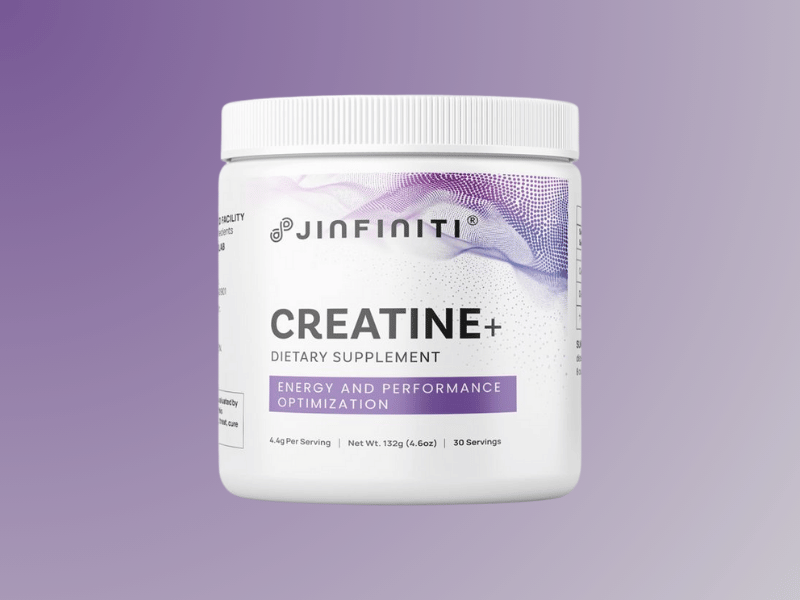
Dr. She’s Creatine Formula
Pure creatine with ATP for total body performance.
Why Some People Get Headaches With Creatine
Understanding potential side effects helps you avoid problems before they start. Three main factors explain most creatine-related headaches.
Dehydration Is the Main Culprit
Creatine pulls water into your muscle cells. That’s how it works to boost performance and strength.
Your body needs more water than usual to compensate. Brain tissue is sensitive to even mild dehydration, which triggers headaches quickly.
Dehydration headaches feel dull and throbbing. They get worse with movement and often come with fatigue.
The fix is simple: add 16-20 ounces of water daily for every 5 grams of creatine you take. Spread this throughout your day, not just around when you take the supplement.
A study of Boston Marathon runners found that proper hydration prevented organ stress even during extreme physical exertion. The athletes who stayed hydrated avoided complications despite pushing their bodies to the limit.[3]
Similar to why creatine makes you pee more, the increased water movement through your system is a natural part of how creatine works.
Loading Phase Overload
Many people start with 20 grams of creatine daily during a “loading phase.” This can be too much too fast for some people.
Your body needs time to adjust to increased cellular activity. Rapid changes in water distribution can trigger headaches as your system adapts.
The loading phase is completely optional. A steady dose of 3-5 grams daily works just as well. It takes 3-4 weeks to saturate your muscles instead of 5-7 days, but the end result is identical.
The slower approach is much gentler on your system. This is the range that appears consistently in research as both safe and effective.
Pre-Existing Factors
Some people are more likely to experience headaches than others. Chronic headache sufferers may need to take extra care to reduce their risk of headaches.
Many pre-workout supplements combine creatine with high caffeine. This combination can amplify headache risk, especially if you’re sensitive to stimulants.
A case study published in Cureus documented severe complications from unregulated supplement abuse. The patient took excessive doses without medical guidance and ended up in the hospital.[4]
Taking creatine on an empty stomach can cause digestive distress that triggers headaches. The simple fix: take it with food.
🧬 MORE CREATINE INSIGHTS
- Many people confuse creatine with creatinine when reviewing blood work. Understanding the difference helps avoid unnecessary concern.
- Beyond muscle benefits, research shows creatine supports healthy testosterone levels in men who train regularly.
- Choosing between creatine powder and gummies comes down to absorption rates and personal preference.
The Surprising Truth: Creatine May Actually Help Headaches
Here’s the plot twist that most people don’t know about.
A 2008 study published in Acta Paediatrica gave creatine to 39 children recovering from traumatic brain injuries.[5]
In the control group, 93.8% suffered from headaches six months after injury. In the creatine group? Only 11.1% had headaches.
That’s an 88% reduction in headache occurrence.
The study also showed dramatic improvements in dizziness (from 56.3% down to 11.1%) and fatigue (from 82.4% down to 11.1%). Zero side effects from the creatine itself.
Why does creatine help prevent these headaches? Brain cells need constant ATP (adenosine triphosphate, the cellular energy currency) to function properly.
After injury or during stress, ATP levels drop. Creatine helps maintain ATP production by restoring phosphocreatine in brain tissue.
The supplement protects your mitochondria, the energy factories inside every cell. When your brain needs extra energy support, creatine steps in to keep everything running smoothly.
Dr. Jin-Xiong She, founder of Jinfiniti Precision Medicine, explains: “Creatine isn’t just for muscles. It supports cellular energy production throughout your entire body, even your brain. When taken properly with good hydration, creatine helps cells function at their best.”
This neuroprotective effect is why taking creatine without working out still provides cognitive and energy benefits. Your brain cells are working hard whether you’re at the gym or not.
The headaches some people experience with creatine supplements come from how they take it, not from the supplement itself.
How to Prevent Creatine-Related Headaches

These proven strategies keep headaches at bay while you get all of creatine’s benefits.
1. Increase Your Water Intake
Add 16-20 ounces of water per 5 grams of creatine you take. This isn’t optional if you want to avoid headaches.
Spread your water intake throughout the day. Don’t try to chug it all at once around supplement time.
Monitor your urine color as a hydration check. Pale yellow means you’re well-hydrated. Dark yellow or amber means you need more water.
Don’t wait until you’re thirsty. By the time you feel thirsty, you’re already mildly dehydrated.
This becomes even more important during exercise or in hot weather. Your water needs go up when you’re sweating.
2. Start Low and Build Slowly
Skip the loading phase entirely. Start with 3-5 grams daily and stick with that dose.
Your muscles will reach full saturation in 3-4 weeks instead of one week. The wait is worth avoiding the headaches that often come with aggressive loading.
This dosing range is backed by the International Society of Sports Nutrition, which has extensively reviewed creatine’s safety profile. Your body adapts gradually to the increased cellular activity.
This gentler approach lets your system adjust without triggering side effects. Proper creatine timing and dosing can make the difference between a smooth experience and unnecessary headaches.
3. Take Creatine With Food
Never take creatine on a completely empty stomach. This reduces the chance of digestive discomfort that can trigger headaches.
Taking it with a meal helps with absorption too. Carbohydrates help shuttle creatine into your muscle cells more efficiently.
Morning or post-workout timing works well for most people. Find what fits your schedule and stick with it consistently.
4. Time It Right
Some people are sensitive to taking creatine before bed. If you notice sleep disruption or morning headaches, move your dose earlier in the day.
Split doses can work better than one large serving. Try 2.5 grams twice daily instead of 5 grams once.
Pay attention to what works for your body. Everyone responds slightly differently.
When to Be Concerned
Most creatine-related headaches resolve quickly with proper hydration and dosing adjustments.
Red flags that require medical attention:
- Severe headaches that don’t improve with increased water intake
- Headaches accompanied by nausea, confusion, or vision changes
- Dark urine that persists despite drinking more water (potential sign of rhabdomyolysis)
- Headaches that continue after stopping creatine temporarily
If you experience any of these symptoms, stop taking creatine and consult your healthcare provider. You may need kidney function testing to rule out other issues.
The good news: serious complications are rare when following proper dosing guidelines. The vast majority of people use creatine safely for years without problems.
The Final Scoop
Creatine doesn’t inherently cause headaches. Dehydration and improper dosing are the usual suspects.
Simple fixes work for most people: drink more water, start with a lower dose, and take it with food. These adjustments solve the problem while keeping all of creatine’s performance and cognitive benefits.
The research actually shows that creatine can help prevent certain types of headaches when used correctly. It supports brain energy metabolism and protects cellular function.
Millions of people use creatine safely every day. Listen to your body and adjust your approach accordingly.
Testing your baseline cellular energy levels helps you optimize your dosing. When you know where you’re starting from, you can make informed decisions about supplementation.
Referenced Sources
- 1. Longobardi I, Solis MY, Roschel H, Gualano B. A short review of the most common safety concerns regarding creatine ingestion. Frontiers Media SA; 2025. https://doi.org/10.3389/fnut.2025.1682746
- 2. Garcia MP, Longobardi I, Saito T, Miranda MS, Roschel H, Gualano B. Safety of long-term creatine supplementation in women’s football players: a real-world in-season study. Informa UK Limited; 2025. https://doi.org/10.1080/15502783.2025.2591782
- 3. McKenna ZJ, Atkins WC, Butts CL, Zhao X, Morris AK, Perez R, et al. Biomarkers of organ stress and injury following the Boston Marathon. American Physiological Society; 2025. https://doi.org/10.1152/japplphysiol.00775.2025
- 4. Altaf F, Bhatt V, Venkatram S, Diaz-fuentes G. Crushing Muscles: A Case Study on Rhabdomyolysis, Renal Failure, and Compartment Syndrome Triggered by Pre-Workout Supplement Abuse. Springer Science and Business Media LLC; 2024. https://doi.org/10.7759/cureus.58775
- 5. Sakellaris G, Nasis G, Kotsiou M, Tamiolaki M, Charissis G, Evangeliou A. Prevention of traumatic headache, dizziness and fatigue with creatine administration. A pilot study. Wiley; 2007. https://doi.org/10.1111/j.1651-2227.2007.00529.x
Read More