Should You Take Creatine and Caffeine Together?
Creatine gets muscles bigger. Caffeine helps you perform. Combine them in a supplement stack and double your gains, right?
Not so fast. While supplement companies would like you to think otherwise, the two most popular ergogenic aids of all time can actually antagonize one another at the muscular level.
Creatine and caffeine aren’t the BFFs most people think they are. The timing matters. The form matters. And what you think you know just might not translate to real world results.
Let’s get down to the science on what mixing these two supplements is really all about.
What You Should Know
- Creatine shortens muscle relaxation time while caffeine lengthens it, creating opposing effects
- Taking caffeine acutely after creatine loading appears safer than using both daily during the loading phase
- Studies show mixed results, with some finding no interaction and others showing caffeine interferes with creatine’s benefits
- Coffee and caffeine pills may behave differently in your body due to other compounds in coffee
How Creatine Works in Your Body
To understand why mixing creatine with caffeine gets complicated, you need to know what each one does in your muscles.
Creatine Speeds Up Energy Production
Creatine helps regenerate ATP (adenosine triphosphate), the molecule your cells use for energy. Think of ATP as a rechargeable battery for your muscles.
When you supplement with creatine, you increase the creatine phosphate stores in your muscles. This allows for faster ATP regeneration during high-intensity efforts like sprinting or lifting weights.
What does this mean? Better exercise performance in activities that require quick bursts of power. Most people see improvements in strength, power output, and muscle mass gains when they supplement with creatine consistently.
The benefits of creatine extend beyond muscle, supporting brain health and potentially increasing lifespan through cellular energy optimization.
The Muscle Relaxation Factor
Studies have found creatine shortens the time it takes for muscles to relax after contracting by about 5% (Hespel et al., 2002)[1]. This faster relaxation time means your muscles can contract again more quickly.
This is just one of the ways creatine is so effective for repeated bouts of high-intensity work. Your muscles are able to fire, relax, and fire again quicker than they normally would be.
This benefit applies to both athletes and older adults, where faster muscle function equals better performance and reduced injury risk.
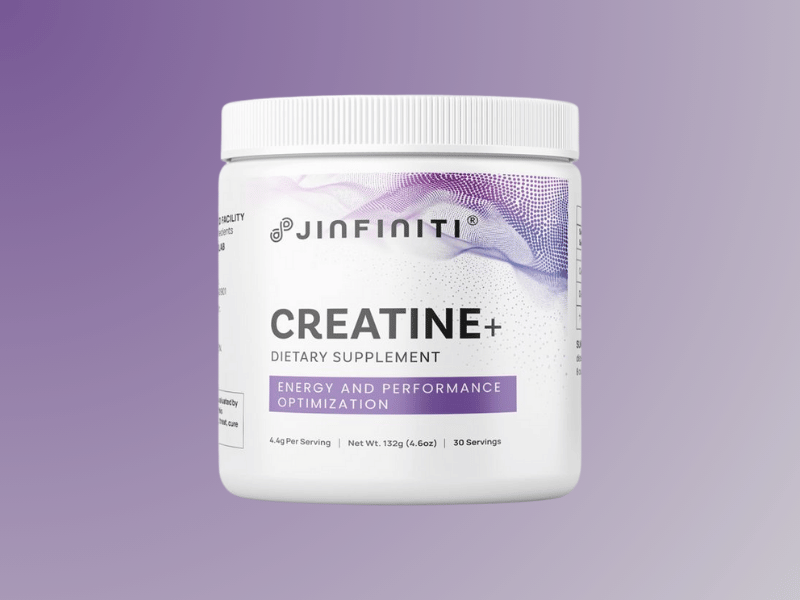
Dr. She’s Creatine Formula
Pure creatine with ATP for total body performance.
How Caffeine Affects Performance
Caffeine has earned its reputation as a performance booster, but it works differently than creatine.
Caffeine Boosts Endurance and Alertness
Caffeine stimulates your central nervous system, making you feel more alert and focused. The performance benefits are well-documented for endurance activities.
Studies consistently show caffeine improves endurance performance. But the results for strength and sprint performance? Much more mixed.
Some athletes see benefits. Others don’t notice much difference in their power output or lifting capacity. It’s more of an individual response compared to other performance supplements.
But Caffeine Slows Muscle Relaxation
Now there’s a problem. While creatine speeds up muscle relaxation, caffeine does the opposite.
The same research that measured creatine’s effects found that caffeine increases muscle relaxation time by about 10%. Your muscles take longer to reset between contractions[1].
This happens because caffeine affects calcium handling in muscle cells. The delayed calcium reuptake means your muscles stay in a semi-contracted state slightly longer.
That’s the exact opposite of what creatine does. And it sets up a physiological conflict.
What Happens When You Mix Creatine and Caffeine?
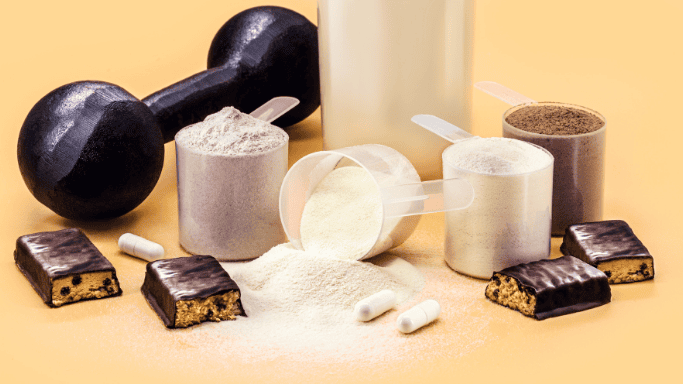
When you combine supplements that pull your muscles in opposite directions, something has to give. The interaction between caffeine and creatine creates a physiological conflict.
They Create Opposing Effects at the Muscle Level
The landmark study by Hespel and colleagues tested exactly this scenario. They gave subjects creatine alone, caffeine alone, both together, or placebo in a randomized crossover design.
The findings were striking. Creatine supplementation shortened muscle relaxation time by 5%. Caffeine extended it by 10%. But when subjects took both together, caffeine’s effect won out[1].
Caffeine counteracts the beneficial effect on relaxation time. Your muscles ended up behaving more like they were on caffeine alone, not like they were on creatine.
This study, published in the Journal of Applied Physiology, remains one of the clearest demonstrations of why these two supplements might not play well together.
Other Possible Mechanisms
The muscle relaxation issue isn’t the only concern. Some studies have noted gastrointestinal side effects when people take creatine and caffeine together.
In one trial, 4 out of 54 subjects reported mild GI discomfort with the creatine plus caffeine combination. No one in the other groups had issues[2].
There’s also some evidence that caffeine might affect the creatine transporter, the protein that moves creatine into muscle cells (Persky et al., 2003)[3]. If caffeine reduces creatine uptake, that would explain why the combination doesn’t work as well as creatine alone.
The mechanisms aren’t fully mapped out yet. But multiple pathways suggest these supplements interfere with each other.
Can You Take Creatine and Caffeine Together?
The research on concurrent use shows mixed results. Not every study found problems, but enough did to warrant caution.
Some Studies Found No Interaction
A 2022 systematic review examined all available research on the effects of creatine and caffeine used together. Three of the included studies found no interaction between the supplements[4].
One six-week training study compared groups taking creatine alone, caffeine alone, both together, or placebo. The creatine-only group showed improvements in knee extensor muscle thickness. The other groups, including the combination group, didn’t see the same gains[5].
But the combination didn’t actively harm performance either. It just didn’t provide added benefits.
Others Found Caffeine Interfered with Creatine
The systematic review also found two studies where caffeine clearly interfered with creatine’s effects. Subjects taking both supplements together saw less benefit than those taking creatine alone.
The 2016 study by Trexler and colleagues tested creatine loading with and without caffeine. They found no performance advantages from the combination compared to placebo[2].
When caffeine blocks creatine’s benefits, you’re essentially wasting the creatine supplementation. You’re spending money and effort on something that isn’t working.
One Study Suggested Benefits Together
In the systematic review, one study did report beneficial effects from the combination. Both supplements together worked better than either alone[4].
This appears to be the exception rather than the rule. Most evidence points toward either no interaction or negative interaction.
The conflicting results suggest individual responses vary. But the preponderance of evidence leans toward caution.
🧬 MORE CREATINE INSIGHTS
- Understanding the difference between creatine and creatinine helps you interpret blood test results accurately.
- Choosing the right form matters for absorption. Compare creatine powder versus pills for your needs.
- Non-athletes benefit from creatine supplementation too. Learn why creatine helps even without exercise.
Timing is Everything
Here’s where the research gets more interesting. When you take these supplements matters as much as whether you take them.
Acute Caffeine After Creatine Loading Appears Safe
The systematic review authors noticed a pattern. Studies where subjects completed creatine loading first, then used caffeine acutely before performance testing, showed no interference.
“Creatine loading does not seem to interfere in the acute effect of caffeine,” the researchers concluded. If your muscles are already saturated with creatine, a single dose of caffeine before competition doesn’t undo those benefits.
This timing strategy makes sense. You get the long-term benefits of elevated muscle creatine stores. Then you add the acute mental and potential endurance boost from caffeine when you need it.
Chronic Caffeine During Creatine Loading May Backfire
The problems start when you take both supplements daily during the loading phase. That’s when studies found interference.
Daily caffeine consumption while trying to saturate your muscles with creatine appears to reduce creatine’s effectiveness. The exact mechanism isn’t clear, but the pattern in the research is consistent.
If you’re doing a traditional creatine monohydrate loading protocol (20 grams daily for 5-7 days), save the caffeine for after. Let your muscles fill up with creatine first.
Can You Put Creatine in Your Coffee?

Many people wonder if they can just stir creatine powder into their morning coffee.
Coffee isn’t just caffeine. It contains hundreds of other compounds, including antioxidants and various polyphenols.
One study specifically compared creatine plus coffee versus creatine plus caffeine pills. Interestingly, neither combination produced better results than placebo. But the coffee and caffeine pill groups showed slightly different patterns in some measures[2].
The other compounds in coffee might buffer some of caffeine’s effects. Or they might have their own interactions with creatine. More research is needed to say for sure.
What we do know is that coffee appears no better or worse than caffeine pills when combined with creatine. Both combinations failed to enhance performance beyond what you’d expect from either supplement alone.
If you’re concerned about absorption or effectiveness, choosing the right form of creatine matters more than whether you mix it with coffee.
Who Should Be Cautious?
Most of the research focuses on athletic performance. But there are other considerations, especially for certain populations.
Special Populations May Need Extra Care
A large study in Parkinson’s disease patients found something concerning. Among subjects taking creatine, higher caffeine intake correlated with faster disease progression[6].
This 1,741-person trial wasn’t looking at athletic performance. It was measuring clinical outcomes in a neurological condition. The interaction between creatine and caffeine showed up in an unexpected place.
If you have any health conditions, especially neurological ones, talk to your doctor before combining these supplements. The GI side effects some people experience are usually mild. But they’re another reason to approach the combination carefully.
Bottom Line: Should You Mix Them?
After reviewing all the evidence, the recommendation is clear.
The Evidence Doesn’t Support Combining Them
Most research shows no added benefit from combining creatine with caffeine. Some studies show outright interference. Only one study suggested synergy.
The risk-benefit ratio doesn’t favor combination. You might get lucky and respond well. Or you might waste money on creatine that isn’t working.
As Dr. Jin-Xiong She, founder of Jinfiniti Precision Medicine, emphasizes: “The goal isn’t to take more supplements. The goal is to understand what your body actually needs and respond with precision.”
If You Do Use Both, Here’s How
Some people will choose to use both supplements regardless. If that’s you, here’s how to minimize potential interference and keep it safe to take:
- Complete a full creatine loading phase (5 grams, 4 times daily for 5-7 days) without caffeine
- Switch to a maintenance dose of creatine (3-5 grams daily)
- Add caffeine only on training days, 30-60 minutes before your workout
- Consider using coffee instead of caffeine pills (anecdotally, some people tolerate this better)
- Separate them by at least 3-4 hours if you take both on the same day
Monitor how you feel and perform. If you don’t notice benefits from creatine after 4-6 weeks, taking caffeine with creatine might be interfering.
Better Strategy: Test Your Cellular Energy Status
Taking creatine and caffeine together is a shot in the dark at improving cellular energy production. You’re just guessing what your body may or may not need.
NAD+ testing provides you with hard data on your intracellular energy status. NAD+ (nicotinamide adenine dinucleotide) is the master control mechanism for energy metabolism within every cell.
Armed with knowledge of your NAD+ levels, you can make smart decisions about supplementation. You might find out that neither creatine nor caffeine is relevant to your true energy deficiency.
This is the difference between precision supplementation and shotgun approaches. One is individualized to your biochemistry. The other is individualized to marketing.
Referenced Sources
- Hespel P, ’t Eijnde BO, Van Leemputte M. Opposite actions of caffeine and creatine on muscle relaxation time in humans. American Physiological Society; 2002. https://doi.org/10.1152/japplphysiol.00255.2001
- Trexler ET, Smith-Ryan AE, Roelofs EJ, Hirsch KR, Persky AM, Mock MG. Effects of coffee and caffeine anhydrous intake during creatine loading. Ovid Technologies (Wolters Kluwer Health); 2016. https://doi.org/10.1519/jsc.0000000000001223
- Persky AM, Brazeau GA, Hochhaus G. Pharmacokinetics of the dietary supplement creatine. Springer Science and Business Media LLC; 2003. https://doi.org/10.2165/00003088-200342060-00005
- Elosegui S, López-Seoane J, Martínez-Ferrán M, Pareja-Galeano H. Interaction between caffeine and creatine when used as concurrent ergogenic supplements: a systematic review. Human Kinetics; 2022. https://doi.org/10.1123/ijsnem.2021-0262
- Pakulak A, Candow DG, Totosy de Zepetnek J, Forbes SC, Basta D. Effects of creatine and caffeine supplementation during resistance training on body composition, strength, endurance, rating of perceived exertion and fatigue in trained young adults. Informa UK Limited; 2021. https://doi.org/10.1080/19390211.2021.1904085
- Simon DK, Swearingen CJ, Hauser RA, Trugman JM, Aminoff MJ, Singer C, et al. Caffeine and progression of Parkinson disease. Ovid Technologies (Wolters Kluwer Health); 2008. https://doi.org/10.1097/wnf.0b013e31815a3f03
Read More