The 5 Best Quercetin Supplements of 2026, Reviewed by Experts
Disclaimer: This article is for informational purposes only and does not constitute medical advice. The products reviewed have not been evaluated by the FDA and are not intended to diagnose, treat, cure, or prevent any disease. Always consult a qualified healthcare professional before starting any new supplement regimen.
If you’ve tried quercetin before and didn’t notice much difference, you weren’t imagining things. Standard quercetin has terrible absorption, with your body only taking in about 2% of what you swallow.
Your seasonal allergies keep flaring up, inflammation persists, and you wonder why this “powerful antioxidant” everyone raves about isn’t working for you.
The problem isn’t quercetin itself. The problem is bioavailability (how much actually reaches your bloodstream and cells where it can work). Without absorption enhancers or specialized delivery systems, you’re essentially flushing money down the drain.
The right quercetin supplement solves this with proven technologies that increase absorption up to 62 times compared to standard forms. We’ve evaluated the top quercetin supplements of 2026 to identify which formulas actually deliver results.
Top 5 Quercetin Supplements at a Glance
Best Overall: Jinfiniti SenoAid™ Senolytic Complex
Best High-Absorption Formula: Life Extension Bio-Quercetin
Best with Bromelain: Doctor’s Best Quercetin Bromelain
Best for Athletes: Thorne Quercetin Phytosome
Best Liquid Formula: MaryRuth’s Quercetin Liquid Drops
🧬About our reviewer
This guide was reviewed by Dr. Jin-Xiong She, PhD, genomic medicine researcher. Dr. She has published 400+ papers and leads the CLIA-certified laboratory at Jinfiniti Precision Medicine.
Best Quercetin Supplements in 2026 Reviewed
Best Overall: Jinfiniti SenoAid™ Senolytic Complex
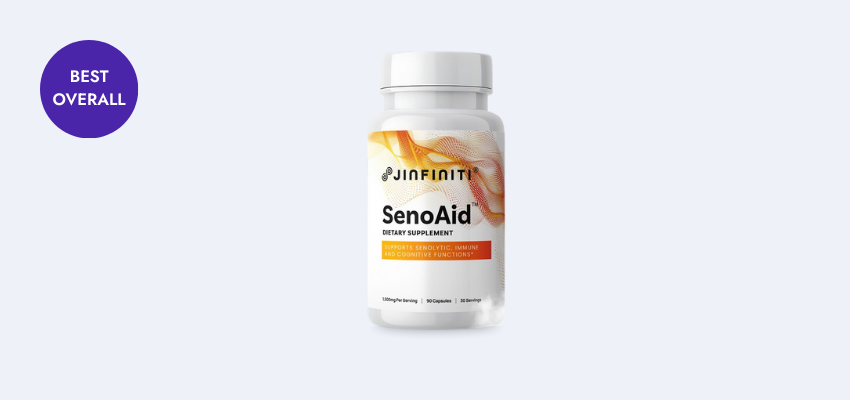
Quercetin per serving: 1000 mg
Fisetin per serving: 170 mg
Additional ingredients: Bromelain, Green Tea Extract, Piperine
Form: Capsules
Certifications: Third-party tested, GMP-certified
Jinfiniti SenoAid™ takes our top spot because it pairs 1000 mg of quercetin with 170 mg of fisetin, creating a dual senolytic formula that addresses cellular aging through complementary pathways.
Most quercetin supplements give you just one tool. SenoAid gives you two of the most researched senolytic compounds (substances that support the body’s clearance of senescent “zombie” cells) in clinically relevant doses. Research shows quercetin and fisetin work through different mechanisms, supporting each other’s effects when taken together.
The formula includes piperine (black pepper extract) to boost absorption of both active compounds. Bromelain adds anti-inflammatory support while potentially improving quercetin uptake. Green tea extract provides additional antioxidant protection through polyphenols (plant compounds with protective properties).
SenoAid is formulated by Dr. Jin-Xiong She, a genomic scientist with over 400 published research papers. The supplement is manufactured in a CLIA-certified laboratory and undergoes third-party testing for purity and potency.
“Cellular senescence requires a multi-pathway approach,” says Dr. She. “Combining quercetin with fisetin creates a more complete formula for cellular renewal than single-ingredient supplements.”
| ✓ Pros | ✗ Cons |
|---|---|
| Dual senolytic formula with quercetin and fisetin | Premium pricing compared to single-ingredient options |
| Clinically relevant 1000 mg quercetin dose | Requires 2 capsules per serving |
| Piperine for enhanced absorption | Some users may experience mild digestive adjustment initially |
| Bromelain provides additional anti-inflammatory support | |
| Formulated by genomic scientist with extensive research background | |
| Third-party tested for purity and potency | |
| Supports multiple health aspects (cellular health, inflammation, uric acid balance) |
Best for: People seeking comprehensive cellular health support who want a research-backed formula combining multiple beneficial compounds in one supplement.
Best High-Absorption Formula: Life Extension Bio-Quercetin
Quercetin per serving: 10 mg (enhanced with galactomannan fibers)
Form: 1 vegetarian capsule
Certifications: Non-GMO, Vegetarian, Gluten-free
Life Extension Bio-Quercetin uses FENUMAT™ technology, a patented delivery system that combines quercetin with fenugreek-derived galactomannan fibers to create a hydrogel scaffold in your digestive system.
The approach is counterintuitive. Instead of loading you up with 500 mg of quercetin that mostly passes through unabsorbed, this formula provides just 10 mg wrapped in a fiber matrix that protects it through digestion and facilitates absorption across the intestinal barrier.
Clinical trials have demonstrated this technology delivers up to 62 times better total bioavailability compared to standard quercetin. The galactomannan fibers create a sustained-release hydrogel that shields quercetin from degradation and helps it reach your bloodstream intact.
A 2022 study in the Journal of Nutritional Science examined this galactomannan-enhanced formula in healthy human subjects. Researchers found improved quercetin absorption and extended circulation time compared to standard quercetin supplements.
The single-capsule serving makes this convenient to add to any supplement routine without swallowing multiple pills. Life Extension’s reputation for rigorous testing and their commitment to publishing research data supports their bioavailability claims.
| ✓ Pros | ✗ Cons |
|---|---|
| Proprietary FENUMAT™ technology with 62x bioavailability | Lower quercetin milligram amount per dose |
| Clinically studied absorption enhancement | Single-ingredient formula without additional compounds |
| Convenient one-capsule serving | Cost per milligram of quercetin may be higher |
| Absorption technology supported by published human research | |
| Established brand with quality testing protocols | |
| Non-GMO and allergen-friendly |
Best for: People who prioritize absorption technology over high-dose formulas and want clinically validated bioavailability enhancement.
Best with Bromelain: Doctor’s Best Quercetin Bromelain
Quercetin per serving: 500 mg
Bromelain per serving: 250 mg (2400 GDU/gram)
Form: 2 veggie capsules
Certifications: Non-GMO, Gluten-Free, Soy-Free, Vegan
Doctor’s Best combines 500 mg of quercetin with 250 mg of bromelain, a proteolytic enzyme (protein-digesting enzyme) from pineapple stem that serves dual purposes in this formula.
Bromelain enhances protein digestion on its own. But when paired with quercetin, it may also improve absorption and bioavailability of the flavonoid. The 2400 GDU (Gelatin Digesting Units) per gram indicates high enzyme activity, meaning you’re getting potent bromelain that actually works.
The quercetin comes from Dimorphandra mollis seed pods, a standardized source that ensures consistent potency. This combination supports immune function, cardiovascular health, joint comfort, and digestive wellness through complementary mechanisms.
This formula takes a straightforward approach without advanced delivery technology like phytosomes or galactomannan fibers. You get quercetin and bromelain in their basic forms. For people who respond well to bromelain, this traditional pairing offers solid value.
| ✓ Pros | ✗ Cons |
|---|---|
| 500 mg quercetin plus 250 mg high-potency bromelain | Does not use advanced absorption technology |
| Bromelain may enhance quercetin absorption | Moderate bioavailability compared to specialized formulas |
| High enzyme activity (2400 GDU/gram) | Some concern about maltodextrin as filler ingredient |
| Supports both digestive and immune health | Requires 2 capsules per serving |
| Vegan-friendly and allergen-free | |
| 90 servings per bottle (good value for consistent use) |
Best for: People who want the classic quercetin-bromelain combination for both immune and digestive support without advanced delivery systems.
Best for Athletes: Thorne Quercetin Phytosome
Quercetin per serving: 250 mg
Form: 1 capsule
Certifications: NSF Certified for Sport®, Gluten-Free, Dairy-Free, Soy-Free
Thorne Quercetin Phytosome uses patented phytosome technology that binds quercetin to sunflower-derived phospholipids (fatty compounds that make up cell membranes).
This lipid-compatible complex can easily cross cell membranes and the gut barrier because it’s essentially disguised as something your body naturally recognizes and absorbs. Clinical studies show up to 20 times greater bioavailability compared to standard quercetin.
The key differentiator is NSF Certified for Sport® certification. NSF International tests each batch for over 270 banned substances, making this safe for competitive athletes who can’t risk failed drug tests from contaminated supplements.
Thorne’s manufacturing facilities are certified by NSF International and the Therapeutic Goods Administration (TGA). The company has built a reputation among professional athletes, trainers, and sports medicine practitioners for rigorous quality control.
Research shows quercetin may support exercise recovery, reduce exercise-induced inflammation, and help maintain immune function during intensive training periods when immune systems often become compromised.
| ✓ Pros | ✗ Cons |
|---|---|
| Up to 20x greater bioavailability via phytosome technology | Lower dose (250 mg) compared to some alternatives |
| NSF Certified for Sport® for athlete safety | Premium pricing for specialized testing |
| Phospholipid encapsulation protects quercetin from degradation | Single-ingredient formula without synergistic compounds |
| One-capsule serving | Recommended 2-3 times daily (multiple servings needed) |
| Rigorous third-party testing for banned substances | |
| Suitable for athletes and highly active individuals |
Best for: Athletes and highly active individuals who need verified clean supplements and want proven absorption enhancement for exercise recovery support.
Best Liquid Formula: MaryRuth’s Quercetin Liquid Drops
Quercetin per serving: 500 mg
Form: Liquid drops (6.5 pumps)
Certifications: Non-GMO Project Verified, Vegan, Dairy-Free, Gluten-Free, Nut-Free, Sugar-Free
MaryRuth’s stands out as the only liquid quercetin formula on our list, offering distinct advantages for people who struggle with pills or prefer flexible dosing.
The pump mechanism allows precise dose adjustment. You can start with a smaller amount and gradually increase based on your response. Parents appreciate this flexibility for adjusting doses for older children or teens (always consult your pediatrician first).
The formula combines quercetin with MCT oil (medium-chain triglycerides) and sunflower lecithin to create a self-emulsifying delivery system. Quercetin is fat-soluble, so the lipid-based liquid format may improve absorption compared to dry capsules taken without food.
Acacia gum acts as both an emulsifier to keep the formula mixed and provides prebiotic fiber that may support gut health. Natural lemon flavor makes it palatable, though some users report it can stain if spilled.
The liquid format means no gelatin capsules, making it suitable for strict vegans. All ingredients are plant-derived and the formula avoids common allergens including gluten, dairy, nuts, and soy.
| ✓ Pros | ✗ Cons |
|---|---|
| Liquid format for those who struggle with capsules | Does not use advanced phytosome or galactomannan technology |
| Flexible dosing via pump mechanism | Some users report consistency issues and staining |
| MCT oil and lecithin may enhance absorption | Must avoid dropper contact with mouth for hygiene |
| Natural lemon flavor improves palatability | Moderate absorption enhancement compared to specialized formulas |
| Extensive allergen-free certifications | 30 servings per bottle (less than some competitors) |
| Non-GMO Project Verified | |
| Suitable for vegans and people with dietary restrictions |
Best for: People who prefer liquid supplements, those with difficulty swallowing capsules, or anyone wanting flexible dosing options with clean ingredient standards.
Full Comparison Table
| Product | Quercetin Dose | Other Ingredients | Key Feature | Third-Party Tested | Check Price |
|---|---|---|---|---|---|
| Jinfiniti SenoAid | 1000 mg | Fisetin (170mg), Bromelain, Green Tea, Piperine | Dual senolytic formula with absorption enhancer | Yes | Check Price → |
| Life Extension Bio-Quercetin | 10 mg | Galactomannan fibers | FENUMAT™ technology (62x bioavailability) | Yes | Check Price → |
| Doctor’s Best Quercetin Bromelain | 500 mg | Bromelain (250mg, 2400 GDU/gram) | Classic quercetin-bromelain combination | Yes | Check Price → |
| Thorne Quercetin Phytosome | 250 mg | Phospholipids from sunflower | Phytosome technology (20x bioavailability), NSF Certified for Sport® | Yes | Check Price → |
| MaryRuth’s Quercetin Drops | 500 mg | MCT oil, Sunflower lecithin, Acacia gum | Liquid delivery with flexible dosing | Yes | Check Price → |
What is Quercetin?
Quercetin is a flavonoid (plant-based antioxidant compound) found naturally in apples, onions, berries, citrus fruits, and leafy greens. Your body cannot make quercetin, so you must get it from food or supplements.
The challenge with dietary sources is that you’d need to eat enormous quantities to reach doses used in research. One medium apple contains roughly 4-5 mg of quercetin. Studies examining health benefits often use 500-1000 mg daily, meaning you’d need to eat 100-200 apples every day.
This massive food-to-supplement gap is why supplementation is the only practical way to reach therapeutic doses. Even people who eat plenty of fruits and vegetables typically consume only 10-30 mg of quercetin daily from food.
Quercetin is one of the most researched flavonoids, with thousands of published studies examining its effects on everything from immune function to cellular aging. Its poor natural bioavailability (only about 2% absorption rate) has driven development of enhanced delivery technologies like phytosomes, galactomannan complexes, and combination formulas with absorption boosters.
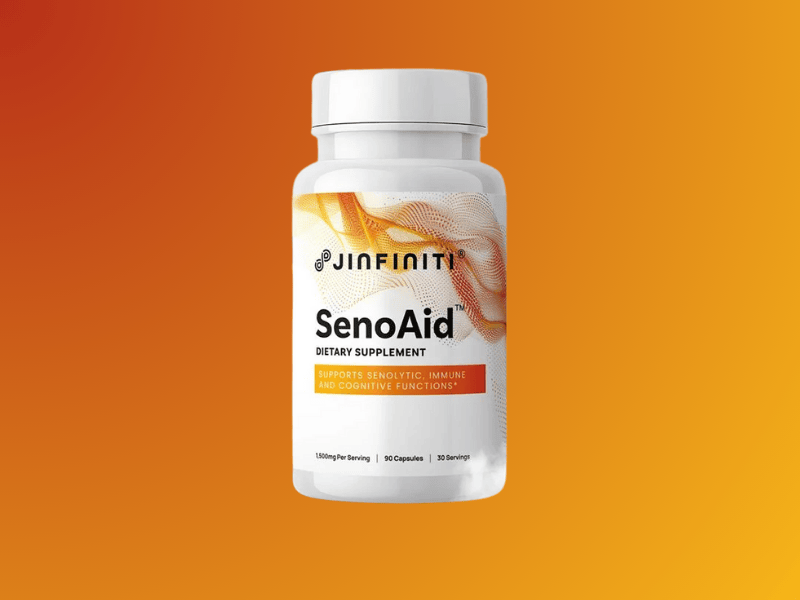
Dr. She’s Quercetin Complex
Dual-action formula with quercetin and fisetin.
How Does Quercetin Work?
Quercetin works through multiple cellular pathways, which is why research has examined it for such diverse health applications.
The primary mechanisms include stabilizing mast cells (immune cells that release histamine during allergic responses), providing antioxidant protection by neutralizing free radicals, and supporting the body’s management of senescent cells that accumulate with aging. It also influences inflammatory signaling molecules like NF-κB (a master regulator of inflammatory responses).
Quercetin can cross the blood-brain barrier, meaning it reaches brain tissue directly. This is unusual for flavonoids and explains research interest in cognitive and neuroprotective applications.
The bioavailability challenge is real. Standard quercetin undergoes extensive metabolism in your gut and liver before reaching circulation, with most of it getting broken down or excreted. This is why the supplements we’ve reviewed use various technologies to protect quercetin through digestion and improve absorption across intestinal walls into your bloodstream where it can actually work.
Health Benefits of Quercetin
Research into quercetin’s health effects spans decades, with most human studies using doses between 500-1000 mg daily.
Allergy and Histamine Response
Quercetin stabilizes mast cells and reduces histamine release during allergic reactions. Multiple studies have examined quercetin for seasonal allergies, with research showing reduced nasal symptoms and improved quality of life during allergy season.
One study found quercetin supplementation reduced nasal congestion, sneezing, and itchy eyes in people with seasonal allergies compared to placebo.
Inflammation Management
Research shows quercetin influences multiple inflammatory pathways, including inhibition of NF-κB activation. Studies have found reduced inflammatory markers (C-reactive protein, interleukin-6) in people supplementing with quercetin.
Athletes taking quercetin show lower post-exercise inflammation and faster recovery in some trials.
Cellular Health Support
Quercetin acts as a senolytic compound, supporting the body’s natural processes for managing senescent cells that accumulate with aging. Lab studies show quercetin can help clear these “zombie cells” that contribute to age-related inflammation and tissue dysfunction.
Research published in EBioMedicine demonstrated senolytic activity of quercetin in combination with other flavonoids in human subjects.
Cardiovascular Function
Studies indicate quercetin may support healthy blood pressure, improve endothelial function (the health of blood vessel linings), and reduce LDL cholesterol oxidation. A meta-analysis of controlled trials found quercetin supplementation reduced systolic blood pressure by an average of 3-4 mmHg.
Exercise Recovery
Research in athletes shows quercetin may reduce exercise-induced oxidative stress and support immune function during heavy training. Some studies found reduced upper respiratory infections in athletes taking quercetin during intensive training periods.
How to Choose a Quercetin Supplement
Selecting an effective quercetin supplement requires understanding the key factors that determine whether you’ll actually absorb and benefit from what you’re taking.
Quercetin Dosage
Most clinical research uses 500-1000 mg daily of standard quercetin. Studies examining allergy relief typically use 500 mg twice daily, while research on cellular health and longevity often uses 1000 mg daily.
Lower doses under 250 mg may not provide therapeutic levels unless enhanced with absorption technology. Very high doses above 1500 mg haven’t been extensively studied for long-term safety in humans.
For formulas using advanced delivery systems (phytosomes, galactomannan), effective doses are lower. Life Extension’s formula uses only 10 mg but achieves blood levels comparable to much higher doses of standard quercetin due to 62x enhanced bioavailability.
Absorption Enhancement
Standard quercetin has terrible bioavailability. Look for formulas that address this through:
- Phytosome technology: Binds quercetin to phospholipids for up to 20x better absorption
- FENUMAT™ galactomannan complex: Creates protective hydrogel for up to 62x bioavailability improvement
- Bromelain: Enzyme that may enhance quercetin absorption while providing anti-inflammatory benefits
- Piperine (black pepper extract): Research suggests 20-30% absorption improvement for various compounds
- Lipid-based delivery: MCT oil or other fats that help dissolve fat-soluble quercetin
Taking standard quercetin with a meal containing healthy fats can improve absorption somewhat, but it won’t match specialized delivery technologies.
Synergistic Ingredients
Some research examines quercetin in combination with other beneficial compounds:
- Fisetin is frequently studied alongside quercetin in senolytic research. These two flavonoids work through complementary pathways to support cellular health.
- Bromelain appears in many quercetin formulas both for potential absorption benefits and its own anti-inflammatory properties.
- Vitamin C is commonly paired with quercetin because both are antioxidants that may support each other’s activity.
- Green tea extract provides additional polyphenols (epigallocatechin gallate or EGCG) that complement quercetin’s antioxidant effects.
Third-Party Testing
Since supplements aren’t pre-approved by the FDA, independent verification matters. Look for brands that:
- Test batches for purity and potency
- Publish Certificates of Analysis showing test results
- Use GMP-certified manufacturing facilities
- Screen for heavy metals, pesticides, and contaminants
- For athletes: NSF Certified for Sport® testing for banned substances
Reputable brands make testing information accessible on their website or available upon request.
Source and Quality
Quercetin supplements typically extract the compound from:
- Sophora japonica (Japanese pagoda tree) flower buds
- Dimorphandra mollis (fava d’anta) seed pods
- Rhus succedanea (wax tree)
Standardized extracts guarantee a specific percentage of active quercetin in every batch, ensuring consistency. Look for products specifying the quercetin content and source plant.
Form and Convenience
Consider your preferences:
- Capsule count per serving: 1 capsule is more convenient than 2-3
- Capsule size: Higher doses mean larger pills
- Liquid options: Better for people who struggle with capsules, allow flexible dosing
- Allergen status: Vegan, gluten-free, soy-free certifications if relevant to you
- Serving frequency: Once daily versus multiple times per day
How We Tested
Independent Evaluation Disclaimer: The products reviewed in this article were evaluated independently based on publicly available information, published research, and product specifications. We have no affiliation with any of the brands mentioned except Jinfiniti, and product inclusion does not constitute endorsement by any manufacturer. Our evaluations represent our analysis only.
We evaluated these quercetin supplements using a systematic methodology designed to identify formulas that align with current research on flavonoid supplementation and cellular health.
Formula Analysis
We examined each product’s ingredient list for quercetin dosage (does it fall within research-studied ranges?), absorption enhancement technologies (what methods improve bioavailability?), synergistic compounds (are combination ingredients supported by research?), and ingredient quality (unnecessary additives or common allergens?).
We compared formulations against published research to verify that doses and combinations align with studied protocols.
Quality Verification
We checked each brand’s commitment to quality through third-party testing status, Certificate of Analysis availability, GMP manufacturing certification, and contamination screening for heavy metals and impurities.
We gave preference to brands that make their testing data readily accessible to consumers.
Value Assessment
We considered cost-effectiveness accounting for absorption enhancement technologies that affect effective dosing, additional beneficial ingredients beyond quercetin alone, actual supply duration based on recommended dosing, and available discounts for bulk or subscription purchases.
Research Alignment
We evaluated whether each formula’s approach reflects current longevity and cellular health research, including single-ingredient versus combination formulas, dosing strategies studied in research, mechanisms of action examined in studies, and supporting evidence for formula design choices.
The TAO Standard
At Jinfiniti, our TAO philosophy emphasizes Test, Act, Optimize as the most effective approach to healthy aging.
While we couldn’t conduct biomarker testing on every product (that would require extensive controlled trials), we evaluated how well each formula’s design might support measurable cellular health improvements based on existing research literature.
We believe effective supplementation works best as part of a comprehensive approach that includes biomarker testing to verify whether supplements are supporting your individual health goals.
Frequently Asked Questions
What is the optimal quercetin dosage?
Most clinical research uses 500-1000 mg daily of standard quercetin. Starting with 500 mg is common, with adjustments based on your healthcare provider’s guidance. Formulas with enhanced absorption technology require lower doses to achieve similar blood levels.
Should I take quercetin daily or seasonally?
Both approaches have merit. For seasonal allergies, many people take quercetin daily during allergy season and stop when symptoms resolve. For cellular health and longevity benefits, consistent daily use may be more appropriate. Consult your healthcare provider about which approach suits your goals.
When is the best time to take quercetin?
Taking quercetin with a meal containing healthy fats can improve absorption since it’s fat-soluble. This is particularly relevant for formulas without absorption enhancers. Some people prefer splitting higher doses (taking half in morning, half in evening) to maintain steadier blood levels throughout the day.
Can quercetin help with allergies?
Yes, multiple studies show quercetin reduces allergy symptoms by stabilizing mast cells and reducing histamine release. Research typically uses 500-1000 mg daily, with many people starting supplementation 4-6 weeks before allergy season for best results. It works differently than antihistamine drugs, so effects may be more gradual.
Does quercetin need to be taken with food?
Standard quercetin absorbs better when taken with meals containing healthy fats. However, formulas using phytosome technology or galactomannan delivery systems are less dependent on food for absorption. Check your specific product’s recommendations, but taking with food is generally safe and may improve uptake.
How does quercetin compare to fisetin?
Both are flavonoids studied for effects on senescent cells, but they work through different mechanisms. Quercetin has more extensive research for allergic responses and cardiovascular health. Fisetin shows particularly strong senolytic activity in lab studies. Many researchers believe combining them provides complementary benefits, which is why SenoAid includes both.
Will quercetin interact with medications?
Quercetin may interact with blood thinners, antibiotics (fluoroquinolones), and medications metabolized by certain liver enzymes. Consult your healthcare provider before adding quercetin if you take prescription medications, especially anticoagulants or if you’re scheduled for surgery.
Can I get enough quercetin from food?
No. While eating quercetin-rich foods is healthy, dietary intake typically ranges from 10-30 mg daily. Research examining health benefits uses 500-1000 mg daily. You’d need to eat 50-100 apples or 20-40 cups of berries daily to reach therapeutic doses. Supplementation is the only practical way to reach studied levels.
How long does it take to notice benefits from quercetin?
Individual responses vary by health goal. For allergies, some people notice reduced symptoms within 1-2 weeks, though starting 4-6 weeks before allergy season may provide better results. For cellular health benefits, effects develop over longer periods (months rather than weeks). Biomarker testing can provide objective data on your individual response.
Is quercetin safe for long-term use?
Research shows good safety profiles for doses up to 1000 mg daily for periods of several months. Some studies have examined use for up to 12 weeks without significant adverse effects. Very long-term safety data (multiple years) in humans is more limited. Work with a healthcare provider if planning extended use, particularly at higher doses.
Referenced Sources
- Kashyap D, Garg VK, Tuli HS, Yerer MB, Sak K, Sharma AK, et al. Fisetin and Quercetin: Promising Flavonoids with Chemopreventive Potential. MDPI AG; 2019. https://doi.org/10.3390/biom9050174
- Hwang HV, Tran DT, Rebuffatti MN, Li CS, Knowlton AA. Investigation of quercetin and hyperoside as senolytics in adult human endothelial cells. Public Library of Science (PLoS); 2018. https://doi.org/10.1371/journal.pone.0190374
- Krishnakumar IM, Jaja-Chimedza A, Joseph A, Balakrishnan A, Maliakel B, Swick A. Enhanced bioavailability and pharmacokinetics of a novel hybrid-hydrogel formulation of fisetin orally administered in healthy individuals: a randomised double-blinded comparative crossover study. Cambridge University Press (CUP); 2022. https://doi.org/10.1017/jns.2022.72
- Bischoff SC. Quercetin: potentials in the prevention and therapy of disease. Current Opinion in Clinical Nutrition & Metabolic Care; 2008.
- Mlcek J, Jurikova T, Skrovankova S, Sochor J. Quercetin and Its Anti-Allergic Immune Response. Molecules; 2016. https://doi.org/10.3390/molecules21050623
- Serban MC, Sahebkar A, Zanchetti A, et al. Effects of Quercetin on Blood Pressure: A Systematic Review and Meta-Analysis of Randomized Controlled Trials. Journal of the American Heart Association; 2016. https://doi.org/10.1161/JAHA.115.002713
- Nieman DC, Henson DA, Davis JM, et al. Quercetin’s influence on exercise performance and muscle mitochondrial biogenesis. Medicine & Science in Sports & Exercise; 2010.
- Cordaro M, D’Amico R, Fusco R, Peritore AF, Genovese T, Interdonato L, et al. Discovering the Effects of Fisetin on NF-κB/NLRP-3/NRF-2 Molecular Pathways in a Mouse Model of Vascular Dementia Induced by Repeated Bilateral Carotid Occlusion. MDPI AG; 2022. https://doi.org/10.3390/biomedicines10061448
Read More