Best Berberine Supplement: The Complete Buyer’s Guide
There’s a widespread assumption that berberine is just berberine — that any capsule with 500mg on the label will do roughly the same job. It’s a reasonable assumption. It’s also why a lot of people take berberine for 90 days and walk away underwhelmed.
The berberine itself isn’t usually the problem. The dose, delivery form, and what’s formulated alongside it make the difference between a product that moves your metabolic markers and one that doesn’t.
This guide walks through the five criteria that matter most when evaluating a berberine supplement — and what the research actually says about each one.
What You Should Know
- Berberine activates AMPK, an enzyme that regulates blood sugar, fat metabolism, and cellular energy — but only at the right dose and in the right form.
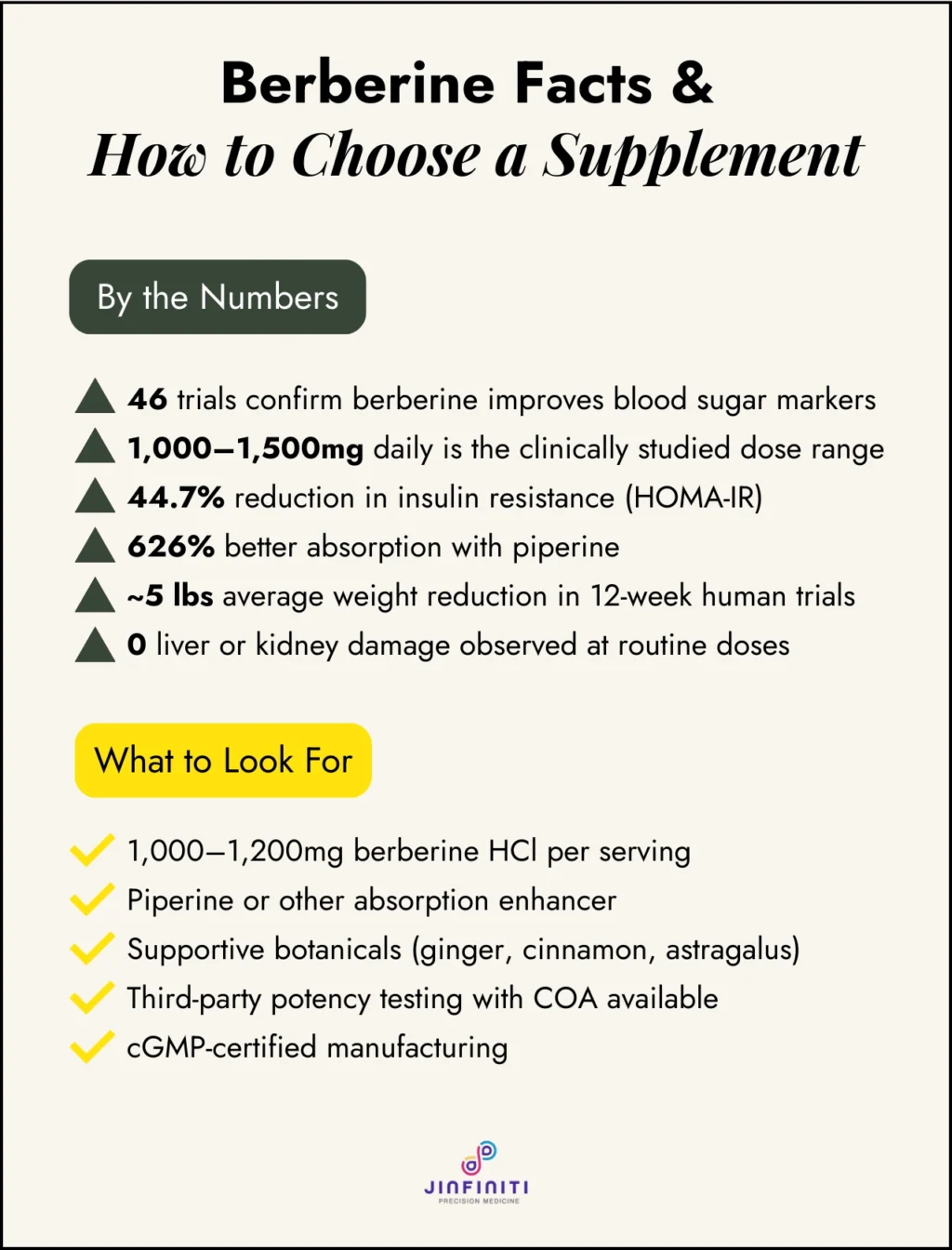
- The clinically studied daily range is 1,000–1,500mg; most single-capsule products fall well below that.
- Berberine has poor natural bioavailability, meaning your body absorbs only a fraction of what you swallow — the right absorption enhancers change this considerably.
- Companion botanicals like ginger, cinnamon, and astragalus target metabolic pathways berberine alone can’t reach.
Metabolic Support
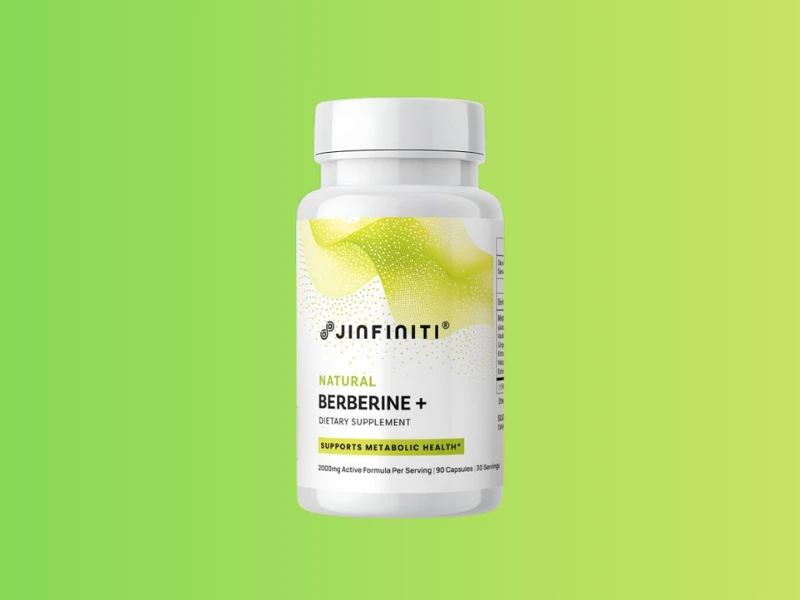
Natural Berberine+ with 626% better absorption.
What Is Berberine and How Does It Work?
Berberine is a bright yellow plant alkaloid found in barberry, goldenseal, and Oregon grape. It has been used in traditional Chinese medicine for centuries, but its clinical reputation today is built on controlled human trials — not historical use alone.
What makes it interesting to researchers isn’t just what it does. It’s how it does it.
How Berberine Activates Your Metabolic “Master Switch”
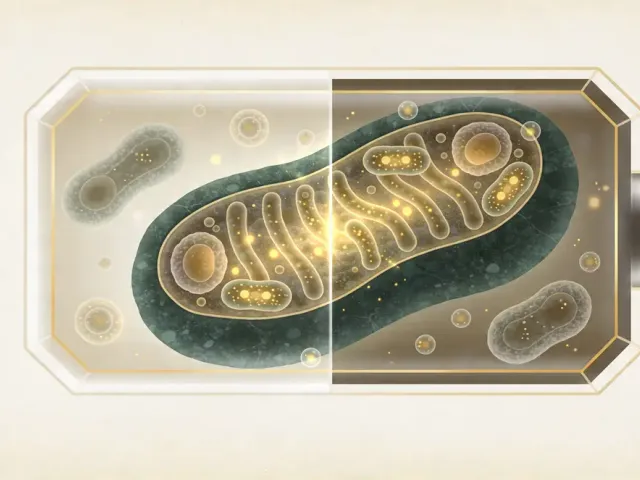
Berberine’s primary mechanism is AMPK (AMP-activated protein kinase) activation. AMPK is an enzyme your cells use to sense energy availability. When it’s turned on, your body shifts toward burning glucose and fat more efficiently, improving how cells respond to insulin and pulling down blood sugar levels in the process.
This AMPK mechanism is one reason berberine draws frequent comparison to metformin, the most widely prescribed blood sugar medication. Both work through overlapping cellular pathways — and the research outcomes reflect that.
What the Clinical Research Shows
The evidence behind berberine is unusually strong for a plant-derived compound. A randomized controlled trial published in Metabolism found berberine produced blood sugar reductions comparable to metformin in newly diagnosed type 2 diabetes patients over three months. Fasting blood glucose dropped from 10.6 to 6.9 mmol/L, and insulin resistance markers fell 44.7% in the berberine group.[1]
A separate trial in the Journal of Clinical Endocrinology and Metabolism — 116 patients, three months, 1g berberine daily — found clear reductions in fasting blood glucose, HbA1c (a measure of average blood sugar over 2–3 months), and LDL cholesterol versus placebo.[2]
A 2021 meta-analysis in Oxidative Medicine and Cellular Longevity, pooling data from 46 randomized controlled trials and 4,158 participants, confirmed that berberine improved HbA1c, fasting glucose, insulin resistance markers, and lipid profiles. Adverse effects were generally mild and mostly gastrointestinal.[3]
How to Choose the Best Berberine Supplement: 5 Things to Look For
Knowing berberine works is the straightforward part. The harder question is whether the specific product in front of you will work. These five criteria are what separate formulas that deliver from those that don’t.
1. Dose
Most clinical trials showing meaningful outcomes used 1,000–1,500mg of berberine daily, split across two to three doses. Many products contain only 500mg per capsule with no guidance on total daily intake, leaving you well below the range the research used.
Look for a product that gets you to 1,000–1,200mg total per day at minimum, ideally taken across meals. The dose range isn’t arbitrary — it’s where the trial outcomes are concentrated.
2. Form
Berberine hydrochloride (HCl) is the form used in the vast majority of published human trials. Newer delivery systems like berberine phytosome or dihydroberberine (DHB, the form your body naturally converts berberine into after absorption) may improve uptake, but they carry far less clinical data.
If a product uses a non-HCl form, look for human trial data specific to that delivery method rather than general claims about absorption.
3. Absorption Enhancers
Standard berberine HCl has poor bioavailability. A meaningful portion of what you swallow passes through without reaching your bloodstream — which means the dose printed on the label and the dose your cells actually receive are two different numbers.
Piperine, derived from black pepper, is the most studied absorption enhancer for berberine. In formulas pairing berberine with piperine, absorption can increase by over 600%. A product that gets more berberine into your system at a lower stated dose outperforms a higher-dose product with no absorption support at all.
4. Other Ingredients
Berberine targets AMPK. That’s one pathway. Most people’s metabolic challenges involve several others — liver function, inflammation, insulin signaling, cardiovascular risk. A formula with well-chosen botanicals addresses those simultaneously.
Ingredients worth looking for alongside berberine:
- Astragalus root — supports cardiovascular function and may extend berberine’s effects on insulin sensitivity
- Ginger root extract — anti-inflammatory, supports glucose regulation and digestive motility
- Cinnamon bark extract — studied for blood sugar support through mechanisms distinct from berberine
- Artichoke leaf extract — supports liver health and cholesterol metabolism
Single-ingredient berberine products leave all of this unaddressed. For a broader comparison of berberine against other plant-based metabolic compounds, natural alternatives to metformin covers the evidence side by side.
5. Third-Party Testing and Transparency
Supplement potency can vary widely between products, even those listing identical doses. Third-party tested berberine — with Certificates of Analysis from independent labs — gives you verification that what’s on the label matches what’s in the capsule.
cGMP-certified manufacturing and FDA-registered facilities are baseline markers of quality. If a brand can’t point you to testing documentation, that’s a gap worth factoring in.
Who Should Consider a Berberine Supplement?
Berberine isn’t appropriate for everyone, and its benefits are most relevant in specific contexts. Here’s how to think about whether it fits your situation.
Signs Your Metabolic Health Could Benefit
You may be a good candidate for berberine supplementation if you’re dealing with any of the following:
- Blood sugar that trends toward the high-normal range, or has previously been flagged as prediabetic
- Elevated LDL cholesterol or triglycerides
- Weight that concentrates around the midsection and hasn’t responded well to dietary changes
- Low sustained energy tied to metabolic function
- A family history of type 2 diabetes or metabolic syndrome
Who Should Use Berberine Carefully
Berberine can interact with medications that affect blood sugar, including metformin and insulin — taking them together without guidance could push glucose too low. Pregnant or breastfeeding individuals should avoid berberine entirely.
People with sensitive digestion may experience bloating or nausea at higher doses. Taking berberine with meals and starting at the lower end of the dose range helps most people tolerate it well. Check with a healthcare provider before starting berberine if you’re on any prescription medications.
How to Take Berberine for Best Results
The structure of your dosing schedule matters, and most product labels don’t explain this in enough detail.
Timing, Dosage, and What to Expect
Split your total daily dose and take each portion with meals. This aligns with your body’s post-meal blood sugar response, when berberine’s effects are most relevant. Most trial protocols used three doses per day with meals; twice daily with larger meals is a practical approach for most people.
Expect two to four weeks before noticing energy or digestive changes. Blood sugar and lipid improvements, if they occur, typically show up in lab work after 8–12 weeks of consistent use. Berberine also appears to influence gut bacteria composition over time. For a broader look at how metabolic supplements connect with digestive health, gut health supplements covers the intersection in more detail.
Berberine and Cellular Longevity
Most berberine articles frame this entirely as a weight loss or blood sugar story. That framing misses part of why berberine shows up consistently on evidence-reviewed longevity supplement lists.
AMPK activation connects to deeper cellular processes, including autophagy — the mechanism by which cells clear out damaged components and recycle them. This same pathway appears in caloric restriction research, metformin longevity studies, and the science behind NAD+ precursors.
For people already supporting cellular energy through NAD+ optimization, berberine addresses a complementary piece of the metabolic picture. Our review of biohacking supplements for longevity covers where berberine fits in that context, with evidence ratings for each compound.
Putting the 5 Criteria into Practice
Most berberine products meet one or two of these criteria. Few meet all five — and that’s the gap worth understanding before you buy.
Jinfiniti’s Natural Berberine+ delivers 1,200mg of high-potency berberine HCl per serving, paired with a six-ingredient MetabolicAid Blend — astragalus, American ginseng, ginger, cinnamon bark, and artichoke leaf — plus black pepper extract for 626% greater absorption. It’s produced in an FDA-registered, cGMP-certified facility with third-party potency testing.
Dr. Jin-Xiong She, founder of Jinfiniti Precision Medicine, puts the formulation thinking plainly: “Berberine is a powerful AMPK activator, but treating metabolic health as a single-pathway problem doesn’t get people where they want to be. When you add botanicals that address liver function, inflammation, and insulin sensitivity through different mechanisms, you’re building a formula that works with how metabolism actually operates — not just one piece of it.”
Frequently Asked Questions About Berberine
Is berberine really “nature’s Ozempic”?
The comparison gets tossed around a lot, and it’s worth being precise about what it does and doesn’t mean. Both berberine and GLP-1 drugs like semaglutide support blood sugar control and can contribute to weight reduction — but through completely different mechanisms. GLP-1 receptor agonists work by mimicking a gut hormone that slows digestion and reduces appetite. Berberine works by activating AMPK at the cellular level, improving how your cells process glucose and fat.
The outcomes are also meaningfully different in scale. Clinical trials on GLP-1 medications show 15–20% body weight reductions in some participants. Berberine research shows more modest effects — a 2012 human clinical trial published in Phytomedicine found an average weight loss of around 5 pounds over 12 weeks in obese subjects, alongside reductions in triglycerides and cholesterol. That’s a real metabolic benefit, but a different category of outcome than prescription GLP-1 therapy.[4]
Berberine is a well-researched plant compound with genuine effects on blood sugar and metabolic markers. Framing it as a pharmaceutical equivalent sets expectations it wasn’t designed to meet.
What are the main berberine benefits?
The strongest evidence sits in three areas. First, blood sugar regulation: across 46 randomized controlled trials, berberine meaningfully reduced fasting glucose, post-meal glucose, and HbA1c (a measure of average blood sugar over 2–3 months). Second, lipid improvement: the same body of research found reductions in LDL cholesterol and triglycerides alongside modest increases in HDL. Third, insulin resistance: berberine reduced HOMA-IR (a standard insulin resistance marker) and fasting insulin levels in trial participants.
Beyond those primary effects, berberine has shown favorable results on inflammatory markers including CRP and IL-6, and emerging research points to gut microbiome benefits — berberine appears to shift bacterial composition toward strains associated with metabolic health. Most of the human evidence is concentrated in people with existing metabolic challenges rather than healthy individuals with normal blood sugar.
What are the side effects of berberine?
The most commonly reported side effects are gastrointestinal — bloating, constipation, nausea, or stomach discomfort. In the Yin et al. clinical trial published in Metabolism, around 35% of participants experienced transient GI effects, with no liver or kidney damage observed. Starting at a lower dose and taking berberine with food significantly reduces the likelihood of digestive issues for most people.[1]
The more clinically meaningful concern is drug interaction. Berberine can potentiate the effect of blood sugar-lowering medications — including metformin and insulin — which could push glucose too low when combined without monitoring. It also interacts with certain antibiotics and immunosuppressants through effects on liver enzymes. Berberine is not appropriate during pregnancy or breastfeeding. Anyone on prescription medications should check with a healthcare provider before starting.
Does berberine help with weight loss?
Berberine produces modest weight-related changes rather than dramatic fat loss. Based on articles retrieved from PubMed, a 2020 meta-analysis in Complementary Therapies in Medicine — pooling 12 trials and 849 subjects — found no statistically significant reduction in overall body weight or BMI, but did find a meaningful reduction in waist-hip ratio, which reflects visceral fat specifically. The 2021 Guo et al. meta-analysis found a BMI reduction of approximately 1 kg/m² across trials, which is modest but consistent.[5]
Where berberine performs more reliably is in the metabolic conditions that make weight management harder: insulin resistance, blood sugar dysregulation, and elevated triglycerides. Improving those markers can support weight-related goals, but berberine works best as a metabolic support compound rather than a primary weight loss strategy on its own. Realistic expectations matter here.
Is berberine bad for your kidneys?
The available evidence points in the opposite direction. Based on articles retrieved from PubMed, a 2022 systematic review and meta-analysis in Pharmacological Research examining 25 studies found berberine improved markers of kidney function — including blood urea nitrogen (BUN), serum creatinine, and proteinuria — in models of diabetic nephropathy. The researchers attributed these effects to berberine’s anti-inflammatory and antioxidant properties reducing kidney stress from chronic high blood sugar.[6]
In human trials, the Guo et al. 2021 meta-analysis found that berberine at routine doses (0.6–1.5g daily) did not adversely affect BUN or serum creatinine compared to controls. The Hu et al. 2012 human trial also found no detrimental effects on kidney function following 12 weeks of supplementation. The kidney concern appears to stem from confusion with aristolochic acid — a different plant compound with documented nephrotoxicity. Standard berberine HCl supplements do not contain it. People with existing kidney disease should still consult a provider, as dose management matters in impaired kidney function.[4]
Referenced Sources
- Yin J, Xing H, Ye J. Efficacy of berberine in patients with type 2 diabetes mellitus. Elsevier BV; 2008. https://doi.org/10.1016/j.metabol.2008.01.013
- Zhang Y, Li X, Zou D, Liu W, Yang J, Zhu N, et al. Treatment of Type 2 Diabetes and Dyslipidemia with the Natural Plant Alkaloid Berberine. The Endocrine Society; 2008. https://doi.org/10.1210/jc.2007-2404
- Guo J, Chen H, Zhang X, Lou W, Zhang P, Qiu Y, et al. The Effect of Berberine on Metabolic Profiles in Type 2 Diabetic Patients: A Systematic Review and Meta-Analysis of Randomized Controlled Trials. Wiley; 2021. https://doi.org/10.1155/2021/2074610
- Hu Y, Ehli EA, Kittelsrud J, Ronan PJ, Munger K, Downey T, et al. Lipid-lowering effect of berberine in human subjects and rats. Elsevier BV; 2012. https://doi.org/10.1016/j.phymed.2012.05.009
- Amini MR, Sheikhhossein F, Naghshi S, Djafari F, Askari M, Shahinfar H, et al. Effects of berberine and barberry on anthropometric measures: A systematic review and meta-analysis of randomized controlled trials. Elsevier BV; 2020. https://doi.org/10.1016/j.ctim.2020.102337
- Hu S, Wang J, Liu E, Zhang X, Xiang J, Li W, et al. Protective effect of berberine in diabetic nephropathy: A systematic review and meta-analysis revealing the mechanism of action. Elsevier BV; 2022. https://doi.org/10.1016/j.phrs.2022.106481
Read More