




You’re taking creatine to build strength and improve recovery. But what happens when you want to grab drinks with friends after a workout?
The internet offers conflicting advice. Some sources warn of liver damage. Others say it’s fine.
Here’s what you need to know: Alcohol and creatine don’t create a dangerous direct interaction. But consuming alcohol affects your body in ways that can work against your fitness goals.
What You Should Know
- Alcohol doesn’t block creatine absorption, but both substances require liver processing
- Drinking after exercise can reduce muscle protein synthesis by up to 37%, undermining the recovery benefits creatine supports
- Moderate drinking (2-3 drinks) appears less problematic than heavy consumption (8+ drinks)
- The 24-hour post-workout window is when alcohol has its biggest impact on muscle gains
How Creatine and Alcohol Each Affect Your Body
To understand why mixing creatine and alcohol matters, you need to know what each does on its own.
What Creatine Does
Creatine increases your muscle’s phosphocreatine stores. These stores regenerate ATP (adenosine triphosphate), the energy currency that powers your cells.
Think of it as keeping your muscles fully charged.
The benefits are well-documented: enhanced strength, improved power output, faster recovery. The International Society of Sports Nutrition considers creatine monohydrate “the most effective ergogenic nutritional supplement currently available to athletes.”[1]
Typical dosing runs 3-5 grams daily. You maintain consistent supplementation to saturate your muscles over time.
What Alcohol Does
Your liver converts alcohol into acetaldehyde, then acetate. This process demands metabolic resources.
Alcohol also acts as a diuretic, increasing fluid loss through urination. That’s where dehydration concerns come in.
But the real problem for anyone training seriously? Alcohol disrupts protein synthesis, hormone levels, and recovery processes.
A 2018 Lancet study analyzing data from 195 countries found no safe level of alcohol consumption when considering overall health impacts. The research linked alcohol to nearly 3 million deaths globally in 2016.[2]
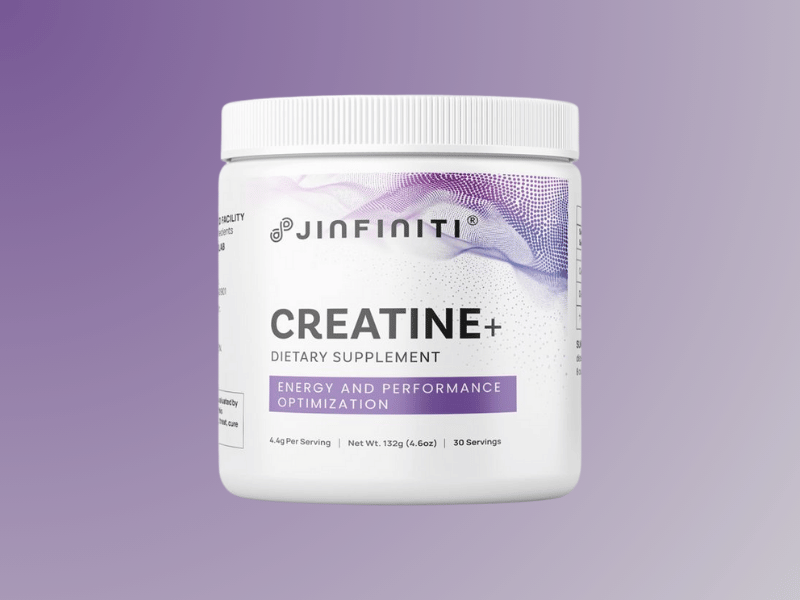
Dr. She’s Creatine Formula
Pure creatine with ATP for total body performance.
Is There a Direct Interaction Between Creatine and Alcohol?
No evidence suggests they chemically interact or that alcohol blocks creatine absorption.
The concern isn’t a direct interaction. It’s competing demands on your body.
Both substances are processed by the liver, though through different pathways. One 2019 mouse study showed that combining creatine with chronic alcohol use worsened liver damage in mice over 14-28 days.[3]
The key context: This involved chronic heavy alcohol exposure in animals, not the occasional drink a human might have.
The main takeaway? Creatine and alcohol don’t cancel each other out directly. But they do work against the same performance and recovery goals.
How Alcohol Consumption Impacts Training and Recovery
The effects of alcohol go beyond just feeling tired the next day.
Protein Synthesis Gets Hit Hard
Research published in PLOS ONE examined what happens when active men drink after strenuous exercise.[4]
The study used 1.5g of alcohol per kilogram of body weight—about 8 drinks for a 160-pound person. Results showed muscle protein synthesis dropped by:
- 37% when alcohol was combined with carbohydrates
- 24% even when combined with optimal protein intake
Why does this matter for creatine users? Creatine helps you train harder and lift heavier. But if alcohol prevents your muscles from rebuilding properly, you’re undermining the entire point of supplementation.
Hormones Shift in the Wrong Direction
Alcohol consumption decreases testosterone while increasing cortisol.
This creates a catabolic environment where your body breaks down muscle rather than building it. That works directly against creatine’s anabolic benefits.
A 2020 systematic review examining alcohol’s effects on resistance exercise recovery confirmed these hormonal shifts consistently appear across studies.[5]
Dehydration Concerns
Alcohol is a diuretic that increases fluid loss. Creatine pulls water into your muscles, which is beneficial for performance.
The combined effect could potentially increase dehydration risk if you’re not managing fluid intake properly.
That said, this isn’t a major issue as long as you’re staying hydrated. Drink water before, during, and after alcohol consumption.
How Much Alcohol Actually Matters?
The dose makes the difference.
Research shows a clear dose-response relationship:
- 0.5g/kg or less (about 2-3 drinks for a 150-pound person): Minimal impact on muscle recovery
- 1.5g/kg (about 8 drinks for a 150-pound person): Significant impairment with 24-37% reduction in protein synthesis
Occasional moderate drinking looks very different from heavy or binge drinking.
Some studies suggest men experience more negative effects than women. One 2022 review noted alcohol affects muscle protein metabolism more profoundly in males across both animal and human studies.[6]
Context matters too. The 24-hour post-workout window is when alcohol has its biggest impact on recovery.
When Timing Matters Most
Your muscles are primed for recovery in the 24 hours after training.
This is when muscle protein synthesis runs elevated. It’s also when alcohol consumption does the most damage to your gains.
A recent 2024 study on downhill runners found that alcohol after exercise didn’t affect muscle strength recovery but did prolong pain perception. The timing of consumption matters.[7]
- Pre-workout drinking: Not recommended. You’ll face performance issues, dehydration risk, and safety concerns.
- Immediately post-workout: Most problematic for recovery when your muscles need nutrients most.
- Several hours later or on rest days: Less impact on the acute recovery window.
If you’re going to drink, rest days are your better option.
🧬 MORE CREATINE INSIGHTS
- Building muscle takes more than supplements. Learn how creatine supports longevity beyond just the gym.
- Coffee drinker? See what happens when you mix creatine and caffeine and whether you should take them together.
- Worried about side effects? Find out why creatine makes you pee more and what it means for hydration.
Should You Skip Your Creatine on Days You Drink?
No. Maintain consistent daily dosing.
Creatine supplements work through muscle saturation. You need regular intake to keep your stores elevated.
Skipping doses reduces your muscle creatine levels over time. Taking your creatine won’t make alcohol’s effects worse.
The better strategy? Focus on when and how much you drink, not whether to take your supplement.
Practical Guidelines for Active People
Here’s how to approach the situation based on your training goals.
If You’re Serious About Training:
Limit alcohol to 2-3 drinks on occasion. Avoid drinking in the 24 hours after hard training.
Prioritize hydration with water before, during, and after any alcohol consumption. Maintain consistent creatine supplementation at 3-5 grams daily.
Don’t expect creatine to offset alcohol’s negative effects on recovery.
The Reality Check:
One night out won’t ruin your progress completely. But consistent heavy drinking will undermine your training whether you’re taking creatine or not.
The 2018 Lancet study serves as a reminder that from a pure health standpoint, less alcohol is always better for overall wellbeing.
Balance your personal choices with your fitness priorities.
The Final Scoop on Combining Creatine and Alcohol
Creatine and alcohol don’t have a dangerous direct interaction that will harm you.
The real issue is that alcohol undermines the recovery and muscle-building benefits you’re taking creatine to support. That happens through reduced protein synthesis, hormonal changes, and impaired recovery.
Moderate, occasional drinking (2-3 drinks, not immediately after workouts) is unlikely to significantly impact your results. Heavy or frequent drinking will work against your training goals, whether you’re supplementing with creatine or not.
Make informed choices based on what matters most to you.
Referenced Sources
- Kreider RB, Kalman DS, Antonio J, Ziegenfuss TN, Wildman R, Collins R, et al. International Society of Sports Nutrition position stand: safety and efficacy of creatine supplementation in exercise, sport, and medicine. Informa UK Limited; 2017. https://doi.org/10.1186/s12970-017-0173-z
- Griswold MG, Fullman N, Hawley C, Arian N, Zimsen SRM, Tymeson HD, et al. Alcohol use and burden for 195 countries and territories, 1990–2016: a systematic analysis for the Global Burden of Disease Study 2016. Elsevier BV; 2018. https://doi.org/10.1016/s0140-6736(18)31310-2
- Marinello PC, Cella PS, Testa MTJ, Guirro PB, Brito WAS, Borges FH, et al. Creatine supplementation exacerbates ethanol-induced hepatic damage in mice. Elsevier BV; 2019. https://doi.org/10.1016/j.nut.2019.05.004
- Parr EB, Camera DM, Areta JL, Burke LM, Phillips SM, Hawley JA, et al. Alcohol ingestion impairs maximal post-exercise rates of myofibrillar protein synthesis following a single bout of concurrent training. Public Library of Science (PLoS); 2014. https://doi.org/10.1371/journal.pone.0088384
- Riachy R, McKinney K, Tuvdendorj DR. Various factors may modulate the effect of exercise on testosterone levels in men. MDPI AG; 2020. https://doi.org/10.3390/jfmk5040081
- Caceres-Ayala C, Pautassi RM, Acuña MJ, Cerpa W, Rebolledo DL. The functional and molecular effects of problematic alcohol consumption on skeletal muscle: a focus on athletic performance. Informa UK Limited; 2022. https://doi.org/10.1080/00952990.2022.2041025
- Hayashi K, Tanaka H. Alcohol consumption after downhill running does not affect muscle recovery but prolongs pain perception in East Asian men. Korea Society for Exercise Nutrition; 2024. https://doi.org/10.20463/pan.2024.0029
