




You started taking creatine to lift heavier weights, and now you’re sprinting to the bathroom between sets. So why is creatine causing increased urination? You wonder.
Short answer: Creatine is not a diuretic, and it does not make you “use up” water in your body by making you urinate more.
Here’s why you are peeing more, distilled down to two main points: You are drinking more water, since creatine makes you thirstier, and your kidneys are filtering out creatinine (creatine’s natural metabolic byproduct).
What You Should Know
- Creatine doesn’t act as a diuretic or trigger water loss from your body
- The extra bathroom trips come from increased water intake, not from the supplement forcing fluid out
- Creatine pulls water into your muscle cells, which is beneficial for cellular energy and performance
- Your kidneys safely process creatinine through normal urine production without causing problems
Is Creatine a Diuretic?
No, creatine is not a diuretic. Diuretics (sometimes called “water pills”) work by forcing your kidneys to release sodium and water into your urine. They’re prescribed to reduce fluid buildup in conditions like high blood pressure or heart failure.
Creatine does the exact opposite. It helps your muscle cells hold onto water, which is part of how it supports cellular energy production.
A 2009 systematic review examined whether creatine negatively affects hydration or heat tolerance. The researchers found zero evidence that creatine acts like a diuretic or harms fluid balance during exercise[1].
“Creatine works at the cellular level to support ATP regeneration,” says Dr. Jin-Xiong She, founder of Jinfiniti Precision Medicine. “The water retention people experience is actually intracellular — it’s stored inside muscle cells along with creatine phosphate, not floating around causing bloating.”
Why Taking Creatine Makes You Pee More
The increased trips to the bathroom have nothing to do with diuretic effects.
Increased Thirst Leads to More Water Intake
When creatine enters your muscle cells, it pulls water along with it through osmosis (water following the concentration of molecules). This process slightly reduces the water available in your bloodstream.
Your body detects this change and triggers your thirst mechanism. You naturally drink more water to compensate.
The math is simple: more water in equals more water out. If you’re drinking 10-12 glasses daily instead of your usual 6-8, you’ll have more frequent urination.
Creatinine Excretion Can Increase Urine Volume
Your body converts about 1.6-1.7% of your total creatine stores into creatinine every single day. This happens naturally whether you supplement or not.
Creatinine is a waste product that your kidneys filter out through urine. When you supplement with creatine, you have more creatine in your body, which means slightly more creatinine to excrete.
Your kidneys handle this increase easily. A 2018 study on creatine metabolism tracked how the body processes oral creatine and found that increased creatinine excretion is a normal, expected response[2].
This is a bit different from creatinine levels that your doctor would test you for to look at kidney function. The increase from supplementation does not mean you have a problem with your kidneys — you just have more creatine for your kidneys to process.
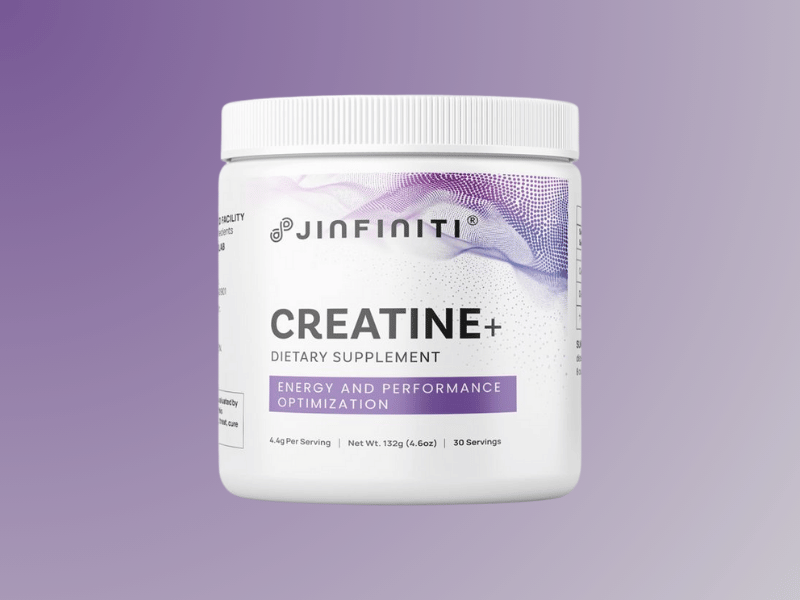
Dr. She’s Creatine Formula
Pure creatine with ATP for total body performance.
Creatine and Water Retention
The water retention from creatine is actually part of how it works.
Your body contains two types of water: intracellular (inside cells) and extracellular (outside cells in tissues and bloodstream). When people talk about “water weight” or bloating, they usually mean extracellular water.
Creatine increases intracellular water — specifically in your muscle cells. This is functional, not problematic.
A 2020 study published in the International Journal of Sport Nutrition and Exercise Metabolism measured body composition in men taking creatine during resistance training. The researchers found that the ratio of skeletal muscle mass to intracellular water stayed the same[3].
Water and muscle increased together proportionally. This means the water retention is happening inside growing muscle tissue, not accumulating as bloat.
This Isn’t “Water Weight” You Need to Lose
Many people worry about the initial 2-5 pound weight gain when starting creatine. That’s your muscle cells holding more creatine phosphate and water — exactly what should happen.
This stored creatine and water helps your muscles regenerate ATP (adenosine triphosphate, the cellular energy molecule) faster during high-intensity exercise. It’s a feature, not a bug.
🧬 MORE CREATINE INSIGHTS
- Discover whether creatine and caffeine work together or if you need to time them separately.
- Compare pills versus powder for creatine to find which fits your routine and absorption needs best.
- Learn exactly how much water to drink with creatine to maximize benefits while avoiding dehydration.
Does Creatine Cause Dehydration?
No, taking creatine does not cause dehydration.
This creatine myth probably started because creatine pulls water into muscle cells. Some people worried this would “steal” water from the rest of your body.
The 2009 systematic review on creatine and heat tolerance specifically addressed this concern. The researchers reviewed multiple studies of athletes exercising in hot conditions while taking creatine[1].
They concluded no adverse effects on the body’s ability to regulate temperature or maintain hydration. If anything, the increased water intake that comes with creatine supplementation may help you stay better hydrated.
The key is drinking enough water to match your body’s increased needs. Most people should aim for 8-10 glasses daily when taking creatine, and more if you’re exercising intensely or in hot weather.
What About Kidney Function?
Creatine is safe for healthy kidneys at recommended doses.
People worry about kidneys because creatinine levels are used as a kidney function marker in blood tests. When doctors see elevated creatinine, it can signal kidney problems.
But creatinine elevation from creatine supplementation is completely different. A 2021 review examined common questions about creatine safety, including kidney concerns[4].
The research team found no evidence of kidney damage from creatine supplementation at standard doses (3-5 grams daily). The elevated creatinine you might see in blood work is expected and doesn’t indicate kidney dysfunction—it just means you’re taking creatine.
That said, if you have existing kidney disease, you should talk with your doctor before starting any new supplement. For everyone else, your kidneys will handle creatine and creatinine processing without issues.
How Much Water Should You Drink With Creatine?
Aim for 8-10 glasses of water daily as a baseline, with more depending on your activity level.
When you start taking creatine, your muscles are storing more of it along with water. This increases your body’s total water needs.
Signs you’re drinking enough: Your urine should be pale yellow (not completely clear, which can indicate overhydration). You shouldn’t feel constantly thirsty.
If you’re exercising, especially in hot weather, you’ll need more than the baseline 8-10 glasses. Listen to your thirst signals — they’re your body’s way of telling you what it needs.
Proper hydration helps creatine work better. Water is the medium for all the cellular reactions that creatine supports, from ATP regeneration to protein synthesis.
The Bottom Line
You’re not peeing more because creatine is a diuretic or forcing water out of your body.
The real explanation: Creatine triggers your thirst response, you drink more water, and you naturally produce more urine. Your kidneys are also processing slightly more creatinine (creatine’s breakdown product) through normal excretion.
The water retention from creatine is intracellular — stored inside muscle cells where it belongs. This is part of how creatine enhances cellular energy production and muscle performance.
Keep drinking enough water, ignore the extra bathroom trips, and let creatine do what it does best: support your cellular energy, muscle function, and overall longevity goals.
Referenced Sources
- Lopez RM, Casa DJ, McDermott BP, Ganio MS, Armstrong LE, Maresh CM. Does Creatine Supplementation Hinder Exercise Heat Tolerance or Hydration Status? A Systematic Review With Meta-Analyses. National Athletic Trainers’ Association; 2009. https://doi.org/10.4085/1062-6050-44.2.215
- Shankaran M, Czerwieniec G, Fessler C, Wong PA, Killion S, Turner SM, et al. Dilution of oral D3‐Creatine to measure creatine pool size and estimate skeletal muscle mass: development of a correction algorithm. Wiley; 2018. https://doi.org/10.1002/jcsm.12278
- Ribeiro AS, Avelar A, Kassiano W, Nunes JP, Schoenfeld BJ, Aguiar AF, et al. Creatine Supplementation Does Not Influence the Ratio Between Intracellular Water and Skeletal Muscle Mass in Resistance-Trained Men. Human Kinetics; 2020. https://doi.org/10.1123/ijsnem.2020-0080
- Antonio J, Candow DG, Forbes SC, Gualano B, Jagim AR, Kreider RB, et al. Common questions and misconceptions about creatine supplementation: what does the scientific evidence really show?. Informa UK Limited; 2021. https://doi.org/10.1186/s12970-021-00412-w
