




If you’re researching turmeric for erectile dysfunction, you’ve probably seen some promising claims. Maybe you’re hoping to skip the prescription medications and their side effects. Or maybe you’re already taking ED drugs and looking for something that addresses the root cause instead of just treating symptoms.
That’s not an unreasonable hope. Turmeric has legitimate science backing its cardiovascular benefits. But when it comes to erectile function specifically, the picture gets more complicated.
Turmeric doesn’t work like Viagra or Cialis. You can’t take it an hour before sex and expect results. What it does do is repair damaged blood vessels over time, which could improve erectile function if vascular problems are your issue.
But (and this is the part most articles skip) there’s a potential hormonal downside that could make things worse for some men.
What You Should Know
- Turmeric improves blood vessel function by increasing nitric oxide, the same chemical pathway that prescription ED drugs use
- No direct human trials prove that turmeric treats ED, but vascular studies show promising indirect benefits
- There is a potential DHT-lowering effect, though human evidence is lacking
- Combining turmeric with ginger may provide better results than using turmeric alone
Can Turmeric Help With Male Sexual Health?
The honest answer on whether turmeric can help with ED is: maybe, but it depends entirely on what’s causing your erectile issues in the first place.
ED isn’t one problem with one cause. You could be dealing with:
- Damaged or stiff arteries (the most common culprit after 40)
- Psychological factors like stress, anxiety, or relationship issues
- Hormonal imbalances (low testosterone, thyroid problems)
- Medication side effects (blood pressure meds, antidepressants)
- Nerve damage from diabetes or surgery
- A combination of several of these
Turmeric works primarily on that first category: vascular problems. If your arteries are damaged, inflamed, or just not functioning the way they did when you were younger, turmeric’s effects on blood vessel health could potentially help. But we’re talking weeks to months, not minutes to hours.
The active compound doing the heavy lifting is curcumin. It increases nitric oxide availability in your blood vessels[1].
Prescription drugs like Viagra block an enzyme called PDE5, which normally breaks down a molecule called cGMP. Think of cGMP as the “relax and let blood flow” signal[2].
Turmeric works much earlier in the chain. It reduces the oxidative stress that destroys nitric oxide before it can even start the cascade. Different mechanism, much slower timeline.
Think of it like this: your garden hose has kinks, cracks, and buildup inside. Viagra cranks up the water pressure to force water through the damaged hose. Turmeric slowly repairs the hose itself.
One approach works immediately but doesn’t fix anything long-term. The other takes consistent use over weeks or months but could provide lasting improvement by addressing the underlying damage.
The catch? If your ED isn’t primarily vascular (psychological causes, nerve damage, hormonal issues), turmeric may not move the needle as much.
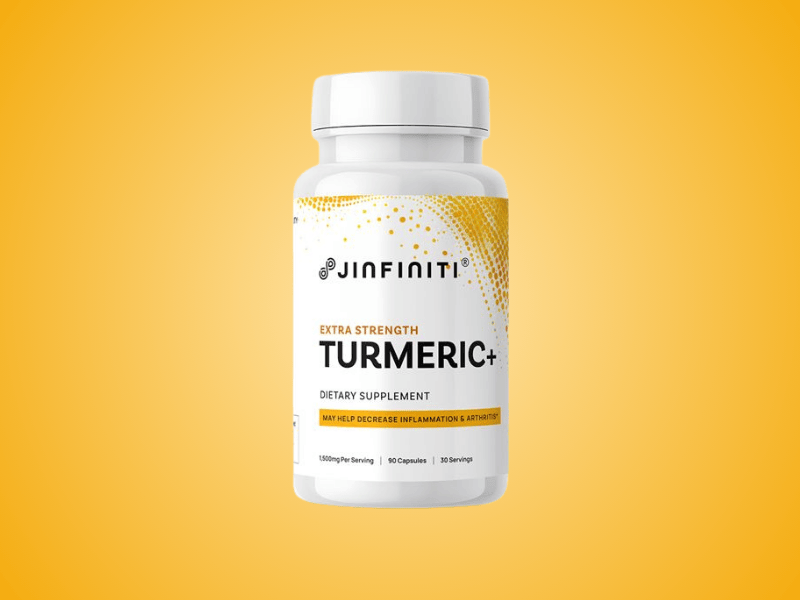
Vascular Support Formula
Extra strength Turmeric + Ginger for better blood flow.
What the Research Actually Shows
Let’s be honest about the evidence. There are no clinical trials where men with ED took turmeric and measured whether their erections improved.
The closest we have are indirect hints from vascular studies in humans and a collection of animal studies that suggest we should look further in that direction.
Vascular Function Studies
The strongest human evidence comes from cardiovascular research, not sexual health studies directly.
A 2017 study published in the journal Aging tested the effects of curcumin supplementation in middle-aged and older adults. In this 12-week trial, the men took 2,000mg per day of Longvida curcumin extract[1].
After 12 weeks, the treatment group’s resistance artery endothelial function was restored to the level of healthy young control subjects.
The researchers measured something called flow-mediated dilation in resistance arteries. This is a measure of how well a person’s blood vessels can dilate or widen in response to increased blood flow. When they can’t relax and expand efficiently, blood flow to the penis suffers.
The mechanism was clear: curcumin increased nitric oxide bioavailability by reducing vascular oxidative stress. Oxidative stress is like rust building up in your pipes. It damages the inner lining of blood vessels and destroys nitric oxide before it can signal blood vessels to relax.
Another human trial using curcumin nanomicelles found improvements in sperm count, motility, and sexual hormone profiles in infertile men. The researchers didn’t measure erectile function directly, but the fertility improvements suggest better reproductive health overall[3].
Animal Studies on Erectile Tissue
Research in diabetic rats provides more direct evidence for erectile function, though we can’t assume the same results translate perfectly to humans.
Diabetic rats given curcumin showed improved intracavernosal pressure, which is basically a measure of erection strength. The treatment also reduced fibrosis (scarring) in penile tissue[4].
The protective mechanism involved activation of the Nrf2/HO-1 pathway. This cellular defense system protects penile tissue from oxidative damage and a type of cell death called ferroptosis[5].
Rats with nerve damage to the penis (similar to what happens after prostate surgery in humans) showed improved erectile function after curcumin treatment. The compound seemed to help nerves regenerate[6].
The Evidence Gap
The jump from “improves blood vessel function” to “cures ED” requires assumptions we can’t fully support yet.
Healthy blood vessels are necessary for erections, but they’re not always sufficient. ED can stem from psychological factors, hormonal imbalances, medication side effects, or nerve damage. Turmeric addresses the vascular component, but that’s only part of the picture for many men.
We need human clinical trials specifically testing turmeric supplementation in men with diagnosed ED, measuring actual erectile function outcomes. Until those studies exist, we’re extrapolating from related research.
The DHT Problem Most Articles Won’t Tell You About
Now things get interesting. And potentially problematic for some men.
Turmeric contains compounds that may inhibit an enzyme called 5-alpha reductase. This enzyme converts testosterone into DHT (dihydrotestosterone), a more potent androgen.
Curcumin and 5-Alpha Reductase Inhibition
DHT is the hormone responsible for several things men care about: libido, mental drive, that feeling of vitality and motivation.
Some studies suggest curcumin can reduce DHT levels[7]. This is why researchers are studying it for prostate cancer, where lowering androgens can slow tumor growth.
Dr. Kyle Gillett, a dual board-certified physician, discussed this concern on the Huberman Lab podcast.
The Libido Paradox
This creates a paradox: turmeric might improve your blood flow while simultaneously reducing your desire to use it.
But you need to know this: Human studies specifically measuring DHT changes from turmeric supplementation don’t exist. The theoretical concern comes from animal studies and isolated cell research.
This means we’re talking about a possibility, not a proven effect. Many men take turmeric supplements without any libido issues whatsoever.
If you’re already dealing with low testosterone or low DHT, you might want to start with a lower dose and see how you feel. But for most men, the vascular health benefits likely outweigh any theoretical hormonal concerns.
🧬 MORE TURMERIC INSIGHTS
- Natural pain relief comes in many forms. Discover alternatives to NSAIDs that work without the harsh side effects.
- Ginger brings its own set of benefits for men’s health. Learn how ginger differs from turmeric and why combining them works better.
- It’s not just for men: find out how turmeric supports women’s health from fertility to menopause.
Ginger and Turmeric: A Spicier Combination?
Ginger has compounds that act in different ways than turmeric does, so this combination is especially intriguing. The research on ginger and male sexual health is actually pretty good.
How Ginger Supports Erectile Function
Studies on Zingiber officinale (common ginger) show it reduces oxidative stress in penile tissue and protects the testis from damage caused by high blood sugar. Like turmeric, it helps preserve nitric oxide availability.
But ginger does something turmeric doesn’t: it directly supports testosterone production.
A randomized trial showed that ginger supplementation improved sperm count, motility, and DNA integrity in men. The researchers found it protected Leydig cells, which are the cells in your testicles that produce testosterone[8].
The Combination Approach
Combining turmeric and ginger gives you coverage from multiple angles:
- Turmeric handles vascular health and inflammation reduction
- Ginger protects testosterone-producing cells and supports hormone balance
- Both reduce oxidative stress and improve nitric oxide availability
This combination addresses both the plumbing (blood flow) and the hormonal drive that makes you want to use that plumbing.
Our Extra Strength Turmeric+ contains both turmeric and ginger along with other complementary ingredients like Boswellia and quercetin. The formula includes black pepper extract, which increases absorption by 2,000%.
How to Take Turmeric for Erectile Dysfunction
Raw turmeric powder is about 1% bioavailable. Your body simply can’t absorb it efficiently.
You could eat a tablespoon of turmeric with every meal and get less benefit than a single high-quality supplement capsule.
The studies showing vascular benefits used specially formulated curcumin:
- Longvida: Lipid-bound particles that cross cell membranes easily
- Nanomicelles: Microscopic droplets that dissolve in water
- Piperine combinations: Black pepper extract that inhibits curcumin breakdown
Without one of these absorption enhancers, you’re mostly just creating expensive yellow urine.
A quality turmeric supplement should contain:
- At least 1,000mg of turmeric extract standardized to 95% curcuminoids
- Black pepper extract (piperine) or another absorption enhancer
- Complementary anti-inflammatory compounds like ginger or Boswellia
- Third-party testing for purity and potency
The cheapest turmeric supplement is a waste of money if your body can’t absorb it. You’re better off spending more on a product that actually delivers the compounds to your bloodstream.
Safety and Drug Interactions
Turmeric has an excellent safety profile for most people. But it’s not risk-free, especially if you’re taking certain medications.
The biggest concern is bleeding risk. Turmeric has antiplatelet properties similar to aspirin. If you’re taking blood thinners like Warfarin, Plavix, or aspirin, adding turmeric can increase bleeding risk to dangerous levels[9].
Talk to your doctor before combining turmeric with:
- Any anticoagulant or antiplatelet medication
- NSAIDs like ibuprofen (which also increase bleeding risk)
- Diabetes medications (turmeric can lower blood sugar)
There’s also a theoretical interaction with PDE5 inhibitors like Viagra or Cialis. Some research suggests curcumin might enhance the effects of these drugs, which could be good or bad depending on the dose[10].
Start with lower doses if you’re taking prescription ED medications, and monitor how you respond.
The Bottom Line on Turmeric for ED
Turmeric isn’t a quick fix for erectile dysfunction. It’s a long-term investment in vascular health.
If your ED is due to damaged blood vessels (which it often does, especially in men over 40), turmeric’s ability to reduce oxidative stress and improve nitric oxide availability could help. The research on vascular function is solid.
But it works slowly, over weeks to months. And it works best as part of a broader strategy that includes exercise, stress management, and addressing any underlying health issues like diabetes or high blood pressure.
The DHT concern is real in theory but unproven in humans. Most men won’t experience any libido issues. If you do feel flat or low-energy after starting turmeric, try reducing your dose or cycling it rather than taking it daily.
Combining turmeric with ginger gives you a more complete approach to male sexual health. You get the vascular benefits of turmeric plus the testosterone-protective effects of ginger.
Just make sure you’re taking a bioavailable form. Otherwise, you’re just adding flavor to your food with no therapeutic benefit.
Frequently Asked Questions
How much turmeric should I take for erectile dysfunction?
The human studies showing vascular improvements used 2,000mg daily dosage of turmeric. Raw turmeric powder won’t get you there because your body barely absorbs it. Look for supplements with black pepper extract (piperine) or specialized delivery systems like Longvida or nanomicelles. Start with 1,000mg daily and increase if needed.
How long does it take to see results?
If it’s going to help, expect 8-12 weeks minimum. The vascular studies showed measurable improvements at 12 weeks. This isn’t an acute fix. You’re repairing blood vessel damage, not triggering an immediate response.
Can I take turmeric with Viagra or Cialis?
Possibly, but talk to your doctor first. Some research suggests curcumin might enhance the effects of PDE5 inhibitors. That could be good or problematic depending on your cardiovascular health and dose. Don’t experiment with this combination on your own.
Is turmeric safe for daily use?
For most people, yes. The main concern is bleeding risk if you’re on blood thinners (Warfarin, Plavix, aspirin). Turmeric has antiplatelet properties similar to aspirin. High doses can also cause digestive upset in some people. If you’re on any medications, check with your doctor.
Should I eat turmeric or take a supplement?
Supplements, hands down. You’d need to eat unrealistic amounts of turmeric powder to match the doses used in research. Plus, raw turmeric is about 1% bioavailable. Save the powder for your cooking. For therapeutic effects, use a properly formulated supplement with absorption enhancers.
Will turmeric lower my testosterone?
The DHT concern is real in theory but unproven in human studies. Most men don’t experience libido issues from turmeric. If you feel flat or low-energy after starting supplementation, try reducing your dose or cycling it (5 days on, 2 days off). If you already know you have low DHT, start cautiously.
Referenced Sources
- Santos-Parker JR, Strahler TR, Bassett CJ, Bispham NZ, Chonchol MB, Seals DR. Curcumin supplementation improves vascular endothelial function in healthy middle-aged and older adults by increasing nitric oxide bioavailability and reducing oxidative stress. Impact Journals, LLC; 2017. https://doi.org/10.18632/aging.101149
- Sandberg M, Natarajan V. Phosphodiesterase 5 – the enzyme inhibited by sildenafil (Viagra). Tidsskrift for Den Norske Laegeforening. 1999;119(7):945–9.
- Alizadeh F, Javadi M, Karami AA, Gholaminejad F, Kavianpour M, Haghighian HK. Curcumin nanomicelle improves semen parameters, oxidative stress, inflammatory biomarkers, and reproductive hormones in infertile men: A randomized clinical trial. Wiley; 2017. https://doi.org/10.1002/ptr.5998
- Draganski A, Tar MT, Villegas G, Friedman JM, Davies KP. Topically Applied Curcumin-Loaded Nanoparticles Treat Erectile Dysfunction in a Rat Model of Type-2 Diabetes. Oxford University Press (OUP); 2018. https://doi.org/10.1016/j.jsxm.2018.03.009
- Jiang Y, Xing S, Ni D, Yang B, Kai J, Wang T, et al. Curcumin Attenuates Ferroptosis and Ameliorates Erectile Function in Diabetic Rats by Activating Nrf2/HO‐1 Pathway. Wiley; 2023. https://doi.org/10.1155/2023/7236816
- Yang L, Ren Z, Liu Z, Peng Z, Song P, Zhou J, et al. Curcumin slow‐release membrane promotes erectile function and penile rehabilitation in a rat model of cavernous nerve injury. Wiley; 2022. https://doi.org/10.1002/term.3334
- Ide H, Lu Y, Noguchi T, Muto S, Okada H, Kawato S, et al. Modulation of AKR1C2 by curcumin decreases testosterone production in prostate cancer. Wiley; 2018. https://doi.org/10.1111/cas.13517
- Hosseini J, Mardi Mamaghani A, Hosseinifar H, et al. The influence of ginger (Zingiber officinale) on human sperm quality and DNA fragmentation: A double-blind randomized clinical trial. Knowledge E DMCC; 2016. https://doi.org/10.29252/ijrm.14.8.533
- Talasaz AH, McGonagle B, HajiQasemi M, Ghelichkhan ZA, Sadeghipour P, Rashedi S, et al. Pharmacokinetic and Pharmacodynamic Interactions between Food or Herbal Products and Oral Anticoagulants: Evidence Review, Practical Recommendations, and Knowledge Gaps. Georg Thieme Verlag KG; 2024. https://doi.org/10.1055/s-0044-1790258
- Roberts JL, Poklepovic A, Booth L. Curcumin interacts with sildenafil to kill GI tumor cells via endoplasmic reticulum stress and reactive oxygen/nitrogen species. Impact Journals, LLC; 2017. https://doi.org/10.18632/oncotarget.19807
