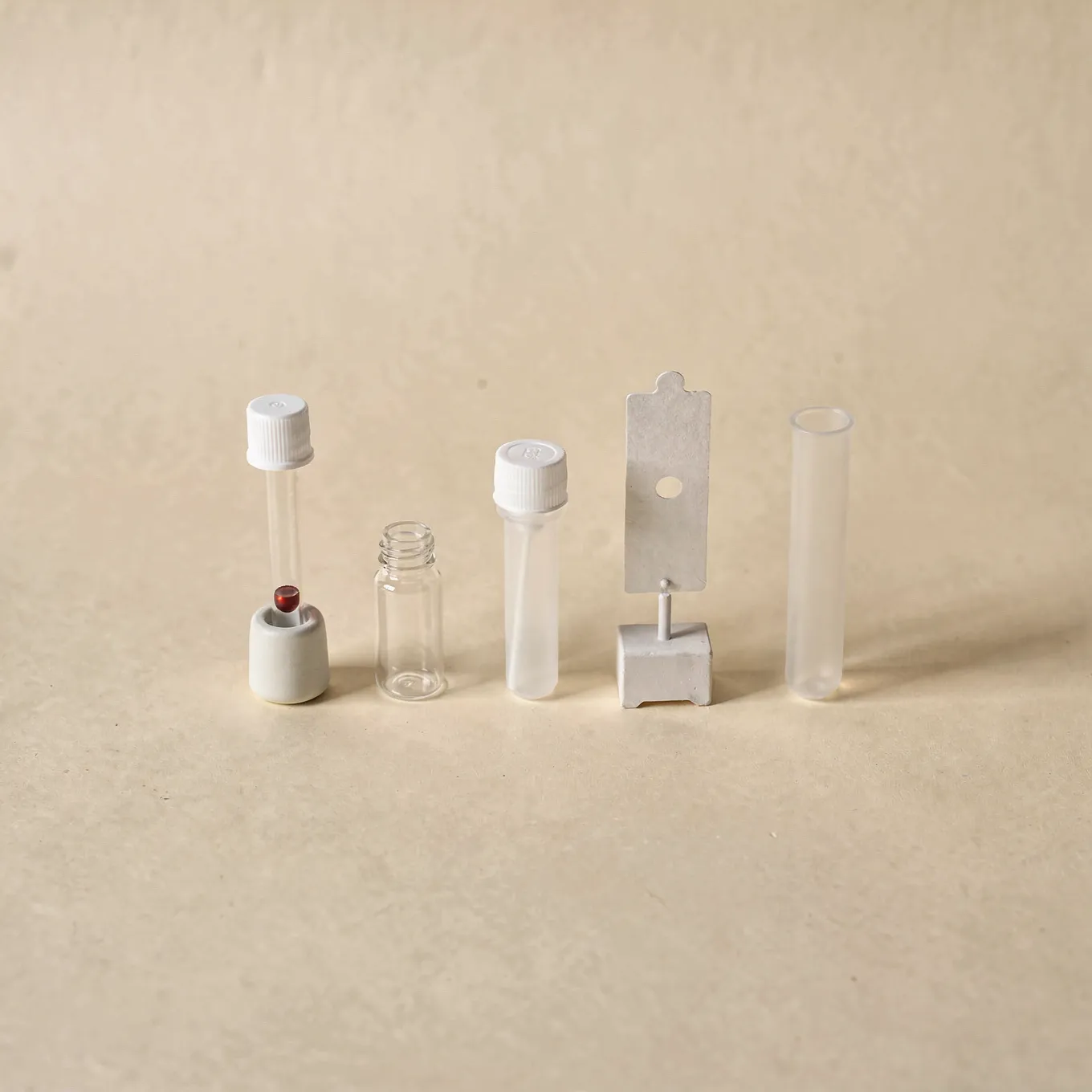

Secure • Private • Science-backed
Longevity blood test comparisons

Compare Longevity Blood Tests and Biomarker Panels

A good test is not the one with the most markers on the report. It is the one that measures what matters to you, explains the results, and leads to a clear next step.
Every comparison is fact-checked and dated
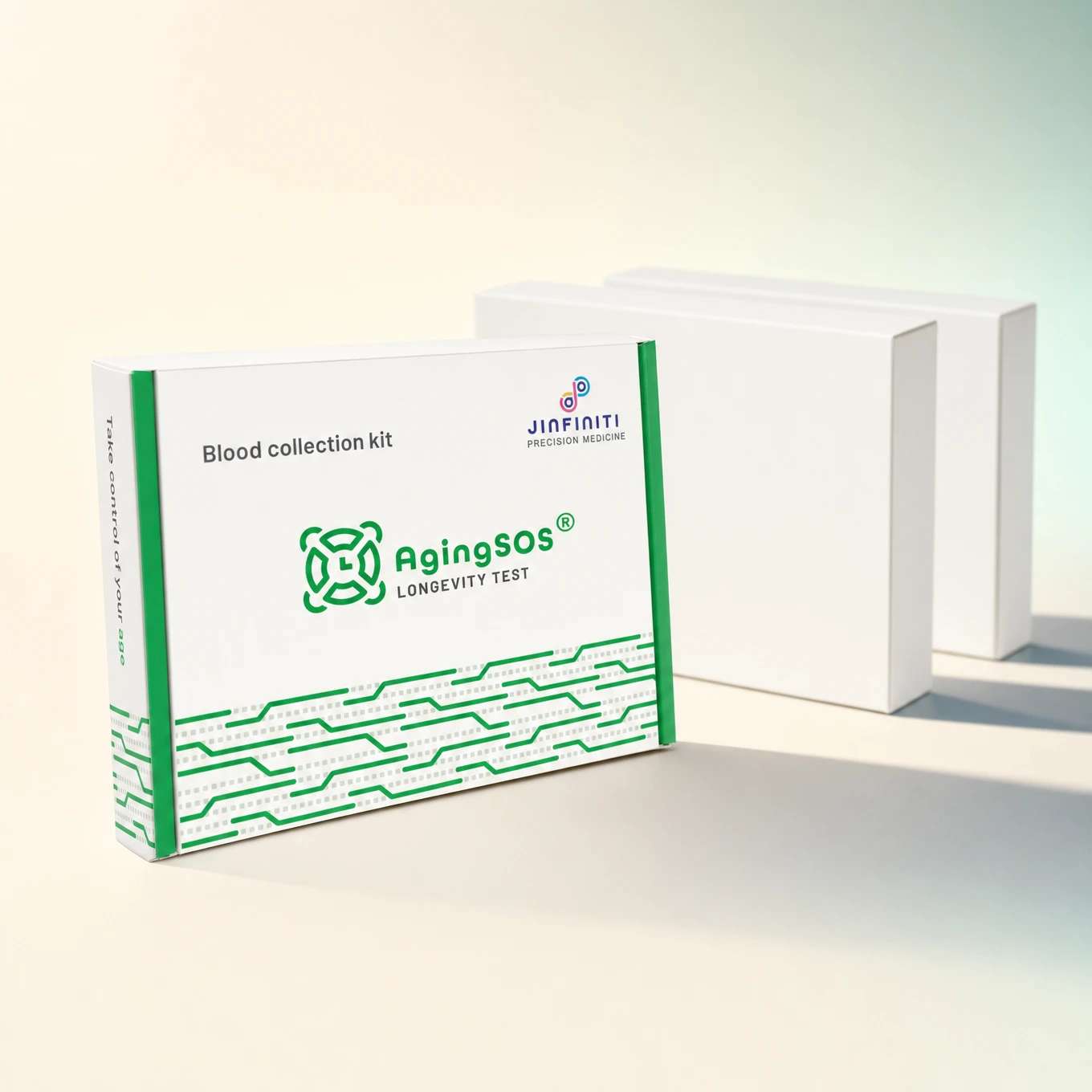
Jinfiniti AgingSOS blood collection kit on a cream background

How to compare longevity blood tests

The most useful test answers the right questions and gives you a practical way to act on the results. Check these five things.

01

Measurements

Which biomarkers and calculated indices address your goal.

02

Collection

Where and how the sample is taken.

03

Interpretation

Raw results, written context, or a person who reviews them with you.

04

Action

Whether results turn into a clear, prioritized plan.

05

Retesting

Whether you can measure change over time.

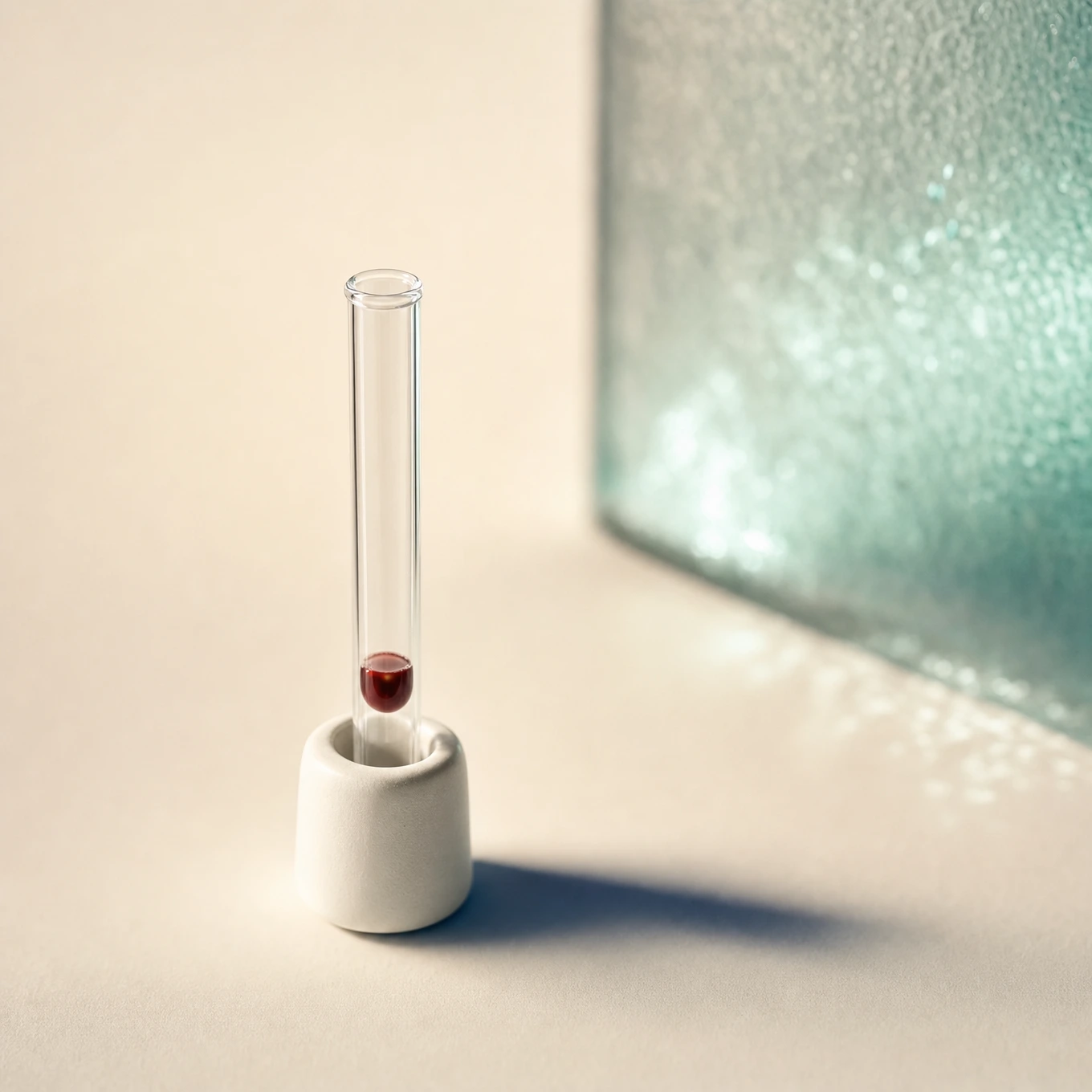
A single glass sample tube in a white ceramic holder on cream paper
What makes Jinfiniti different

Cellular biomarkers, read in context

Jinfiniti focuses on cellular biomarkers that are difficult to find on mainstream panels. Samples are run in Jinfiniti’s own high-complexity, CLIA-certified laboratory.

Intracellular NAD+KlothoSenescenceROMTAC

The difference is not only what is measured. Jinfiniti connects your results with interpretation and a recommended protocol, then asks you to retest to see what changed.

See Jinfiniti longevity tests

Questions about comparing longevity blood tests

What the results mean, and what to look for before you buy.

What should I compare before choosing a longevity blood test?

Compare five things: what the test measures, how the sample is collected, how the results are interpreted, what action plan follows, and whether you can retest to track change. For a first test, start with the measurements. If a panel does not measure what you want to understand, the other four points matter less.

Is the test with the most biomarkers always the best choice?

No. A long list can include many markers that do not relate to your goals, and some totals count calculated values as separate results. A shorter panel that measures the right things, with clear interpretation, can be more useful than a longer list you cannot act on.

What is the difference between a measured biomarker and a calculated index?

A measured biomarker is a value the lab reads directly from your sample, such as ApoB or vitamin D. A calculated index is worked out from two or more measured values. For example, HOMA-IR, an estimate of insulin resistance, is calculated from fasting glucose and insulin. A good report labels the two separately.

Which longevity blood tests include interpretation or an action plan?

Support ranges from raw results in an app, to a written clinician summary, to a live consultation and a personalized protocol. Many services now include some kind of action plan, so check what form it takes and whether a person reviews it with you. Each comparison on this page lists what each company provides after results.

How often should biomarker testing be repeated?

Retest when you have made a change and want to see whether it worked. Some markers respond within weeks, others take months. For example, Jinfiniti suggests rechecking intracellular NAD+ about 4 weeks after starting a protocol, and Klotho or senescence markers after about 3 months. Talk with your clinician about the right schedule for you.

Compare Jinfiniti longevity tests

Start with the questions you want answered, then compare the Jinfiniti options built for those needs.

Explore longevity blood tests
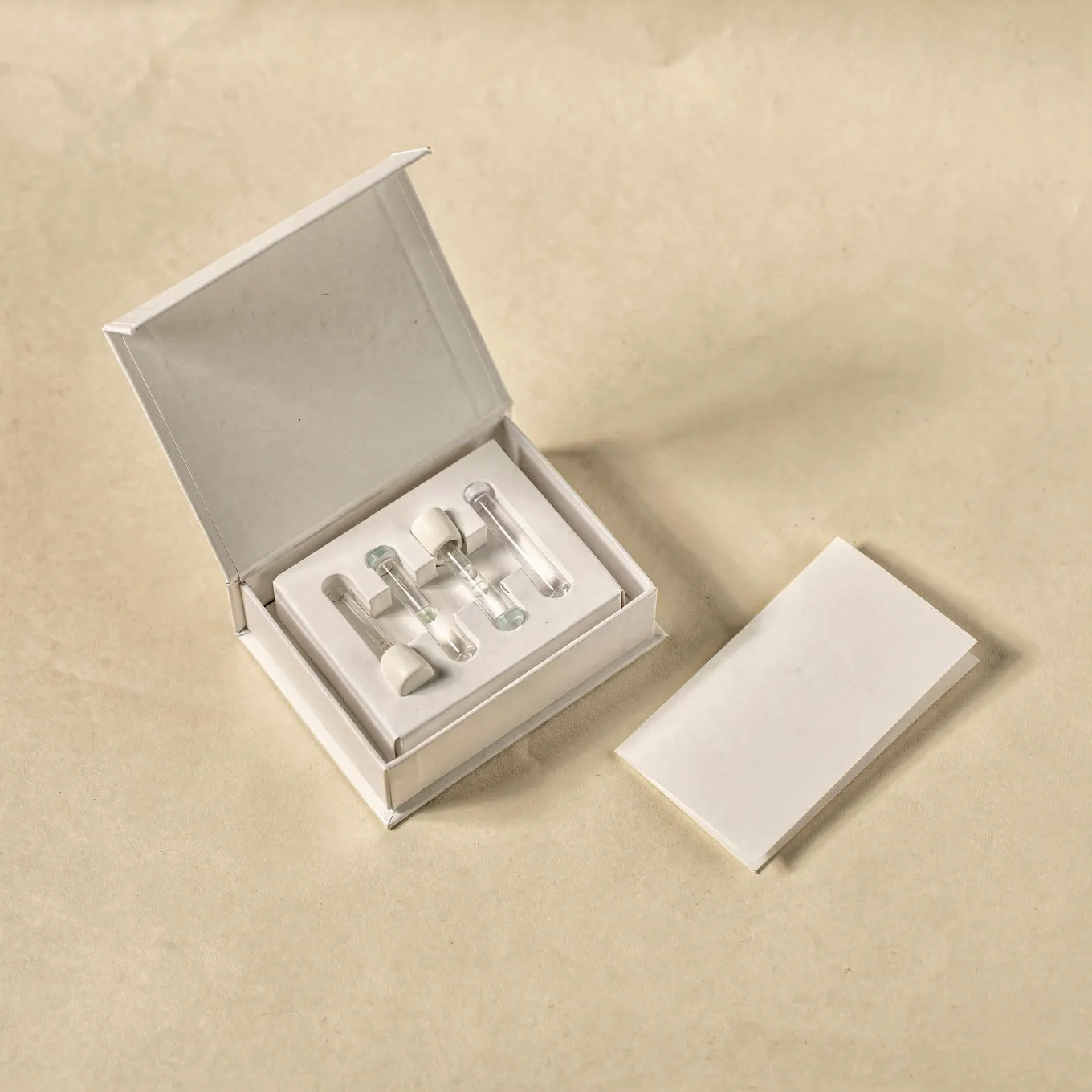
An open white sample collection kit with capped tubes and an instruction card on cream paper

Account Access

Welcome back

Continue your health journey with a secure login.