Jinfiniti vs. TruDiagnostic: Epigenetic Age or Cellular Biomarkers?
These tests measure different things. TruDiagnostic reads DNA methylation to estimate how fast you are aging. Jinfiniti measures what is happening in your blood and cells now, such as NAD+ and oxidative stress.
Fact-checked September 29, 20267 minute readPublished by Jinfiniti
You want research-grade epigenetic clocks: biological age, pace of aging, 11 organ-system ages and a telomere estimate, from a finger prick at home.
Choose Jinfiniti if
You want measured blood results you can act on, including intracellular NAD+, oxidative stress, Klotho, ApoB and HbA1c, with an expert who reviews them with you.
Many people use both: an epigenetic clock for the long view, and a blood panel to see which levers to change.
Jinfiniti vs. TruDiagnostic, side by side
What a buyer actually receives. Where a company does not publish a fact, we leave it out rather than guess.
Jinfiniti
TruDiagnostic
Cost and access
Price
$898 or $1,498per panel
$499per kit, or $998 a year for 4 kits*
How you pay
Per test, no renewal
One-time, or a 4-kit plan that renews every year
What is measured
Blood chemistry and cellular markers
DNA methylation (epigenetics)
Sample collection
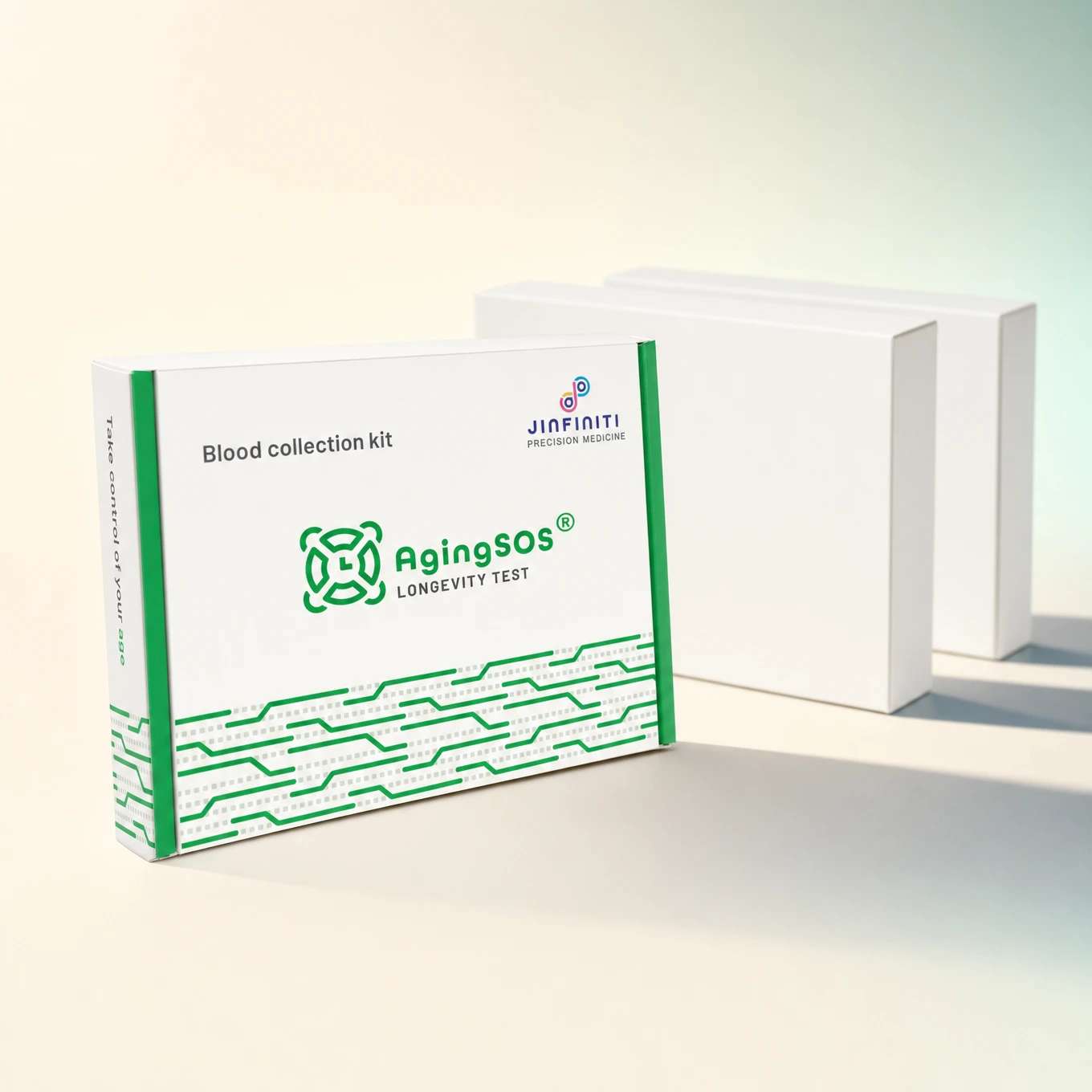
3 vials, by a mobile phlebotomist or at a nearby lab
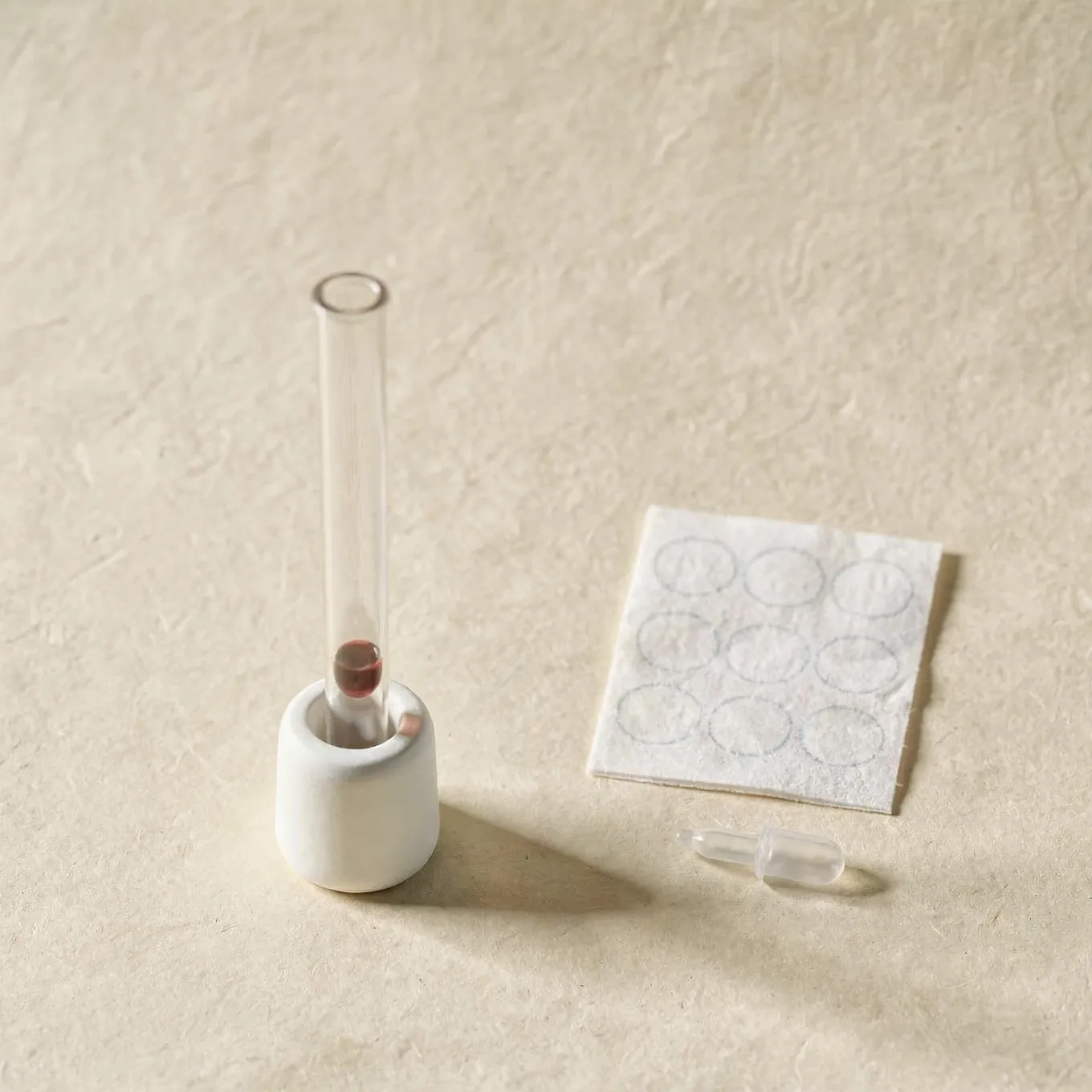
Finger prick onto a blood spot card at home
First results
7 to 10 days
3 to 4 weeks after the lab receives your sample
Laboratory
Jinfiniti’s own CLIA-certified lab
CLIA-certified lab in Lexington, Kentucky
What you learn
Biological age and pace of aging
OMICmAge and DunedinPACE
Organ-system ages
11 systems
Telomere length
Estimated from methylation
Immune cell mix
Estimated from methylation
Measured ApoB, lipids, HbA1c and hormones
Estimates only, on TruHealth
hs-CRP
Estimated from methylation
Intracellular NAD+
Oxidative stress (ROM and TAC)
Klotho
Ultimate panel
Senescence markers (SA-β-gal, 8-OHdG)
Ultimate panel
Inflammatory cytokines (IL-6, TNF-α and more)
Ultimate panel
After your results
Report with recommendations
Lifestyle, diet and supplement ideas
One-to-one results consultation
Free expert consultation
Support by email
Retesting
When you choose, after you act
Every 3 to 6 months suggested
included · extra cost or partly · not on the published list. Checked September 29, 2026 against each company’s public pages.
Two different kinds of measurement
An epigenetic clock estimates your biological age from chemical tags on your DNA. A blood panel measures the level of a molecule in your blood today. They answer different questions. Checked September 29, 2026.
TruDiagnostic TruAge reports
Biological age (OMICmAge)Pace of aging (DunedinPACE)11 organ-system agesTelomere length estimateImmune cell estimatesSmoking and alcohol impact
Epigenetic clocks are an active area of research. TruDiagnostic itself says first-generation clocks have significant limitations, and that on a retest you could be reading lab error rather than a real change. It reports 98% test-retest reproducibility for TruAge. Fasting, medications and supplements can also shift results, so test under the same conditions each time.
About TruHealth. TruDiagnostic also sells TruHealth ($499), which reports 105+ health markers such as lipids and glucose. These are estimates from DNA methylation, not serum measurements. TruDiagnostic says its reports are not a diagnostic tool.
What it costs, and what you get for it
A single TruAge kit costs less than a Jinfiniti panel. The two buy different information, so compare what you want to learn, not only the price.
TruDiagnostic TruAge
$499/ kit
Biological age, pace of aging, organ ages, telomere and immune cell estimates. The 4-kit plan is $998 a year. All sales are final.
Jinfiniti Cellular Essentials
$898/ panel
Standard longevity markers plus intracellular NAD+ and oxidative stress, with a free expert consultation.
Jinfiniti Ultimate Longevity
$1,498/ panel
Adds Klotho, senescence markers and inflammatory cytokines, with a free expert consultation and protocol.
Prices checked September 29, 2026. *TruDiagnostic labels its 4-kit price a limited-time offer. A Jinfiniti retest is a second purchase.
Where each one is strong
Both are good at different jobs. Here is what each does well, in plain terms.
TruDiagnostic
Research-grade clocks from one finger prick
Clocks with strong research ties: OMICmAge built with Harvard, organ-system ages based on Yale’s work, and DunedinPACE, with 50+ peer-reviewed publications.
A lot of aging data from one sample: biological age, pace of aging, 11 organ ages, telomere length and immune cell mix.
Published reproducibility figures, and open statements about the limits of older clocks.
No lab visit and no provider needed to order. HSA or FSA payment is accepted, subject to your plan.
Jinfiniti
Measured levels you can act on
Measured, not estimated: ApoB, Lp(a), HbA1c, hs-CRP and hormones from a venous blood sample.
Intracellular NAD+, a molecule your cells use to make energy and repair DNA.
ROM and TAC for oxidative stress, plus Klotho and senescence markers on the Ultimate panel.
An expert reviews your results with you, then you act, retest and adjust. Jinfiniti calls this Test, Act, Optimize.
How the testing experience differs
From order to retest, step by step.
01
Order
Jinfiniti
Choose a panel. Pay per test.
TruDiagnostic
Buy a kit, or the 4-kit yearly plan.
02
Collect
Jinfiniti
Kit comes to you. A mobile phlebotomist draws 3 vials, or visit a nearby lab. No fasting needed.
TruDiagnostic
Prick your finger at home, fill the blood spot card and mail it. Fasting is recommended.
03
Results
Jinfiniti
7 to 10 days.
TruDiagnostic
3 to 4 weeks after the lab receives your sample.
04
Review
Jinfiniti
Free consultation with an expert, then a protocol.
TruDiagnostic
Online report with lifestyle, diet and supplement ideas. Questions go to support by email.
05
Retest
Jinfiniti
Buy a retest when you want to measure the change.
TruDiagnostic
Every 3 to 6 months suggested.
Who should choose which
Start with the question you want answered.
Choose TruDiagnostic if
You want to track biological age and pace of aging over years.
You want organ-system ages and a telomere estimate.
You prefer a finger prick at home to a blood draw.
Choose Jinfiniti if
You want measured levels you can act on now, such as NAD+ and ApoB.
You want an expert to review your results with you.
You want to see whether a protocol changes a marker within weeks.
Look at another epigenetic test if
You want a lower-cost epigenetic test with a free AI coach.
What is the difference between an epigenetic age test and a blood biomarker test?
An epigenetic test reads chemical tags on your DNA, called methylation, and uses an algorithm to estimate your biological age or pace of aging. A blood biomarker test measures the level of a molecule in your blood today, such as ApoB, HbA1c or intracellular NAD+. Epigenetic age tends to move slowly. Many blood markers can change within weeks of a change in diet, sleep or supplements.
Is Jinfiniti or TruDiagnostic better?
They answer different questions. TruDiagnostic is the better fit if you want research-grade epigenetic clocks to track how you are aging over time. Jinfiniti is the better fit if you want measured blood and cellular markers, such as intracellular NAD+, oxidative stress and Klotho, with an expert who reviews your results and builds a protocol.
How much do Jinfiniti and TruDiagnostic cost?
As of September 29, 2026, a TruDiagnostic TruAge kit is $499, or $998 a year for 4 kits on a plan labelled limited time. TruHealth is also $499, and a combined kit is $849. Jinfiniti charges per test: the Cellular Essentials Panel is $898 and the Ultimate Longevity Panel is $1,498, and each includes a free expert consultation.
Does TruDiagnostic measure cholesterol or blood sugar?
Not directly. TruAge reports aging measures. TruHealth reports estimates of markers such as LDL, HDL and glucose, calculated from DNA methylation. These are not serum measurements. Jinfiniti panels measure ApoB, Lp(a), a lipid panel and HbA1c in your blood.
How accurate are epigenetic clocks?
Newer clocks are more reliable than early ones, and TruDiagnostic reports 98% test-retest reproducibility for TruAge. It also says first-generation clocks have significant limitations, and that small changes on a retest can reflect lab error. Fasting, medications and supplements can shift results. Treat one result as a snapshot, and look for a trend across several tests.
How often should I retest?
TruDiagnostic suggests retesting every 3 to 6 months. Blood markers can change faster: Jinfiniti suggests rechecking intracellular NAD+ about 4 weeks after you start a protocol, and Klotho or senescence markers after about 3 months. Talk with your clinician about the right schedule for you.
See which Jinfiniti longevity test fits your goals
Start with the questions you want answered. Then choose the panel that measures them and gives you a clear next step.