Best Supplements for Gut Health (Evidence-Based Guide)
If your goal is better digestion and long-term digestive health, the best gut health supplement picks are usually simpler than the hype.
Gut health is a few concrete jobs inside your digestive system: moving food through on time, keeping your gut lining resilient, and maintaining a microbiome (your community of gut microbes) that plays nicely with your immune system.
The best supplements depend on what you want to change: constipation, gas, diarrhea risk after antibiotics, stress-triggered cramps, or chronic low-grade inflammation.
Some people reach first for a digestive enzyme blend or the strongest probiotic supplement they can find. Those can help in specific situations, but for most people the biggest levers to support gut health are fiber, a few targeted botanicals, and consistency.
What You Should Know
- The most reliable “daily driver” for gut health is often a soluble fiber supplement, used consistently for at least 4 weeks.
- For bloating and cramping tied to IBS, enteric-coated peppermint oil is one of the best-supported options.
- “Probiotics” are strain-specific and situation-specific; they are not automatically helpful for everyday IBS symptoms, per the ACG IBS guideline.
- Start low, go slow. A supplement that helps your gut should not make your gut miserable.
Gut-Metabolism Support
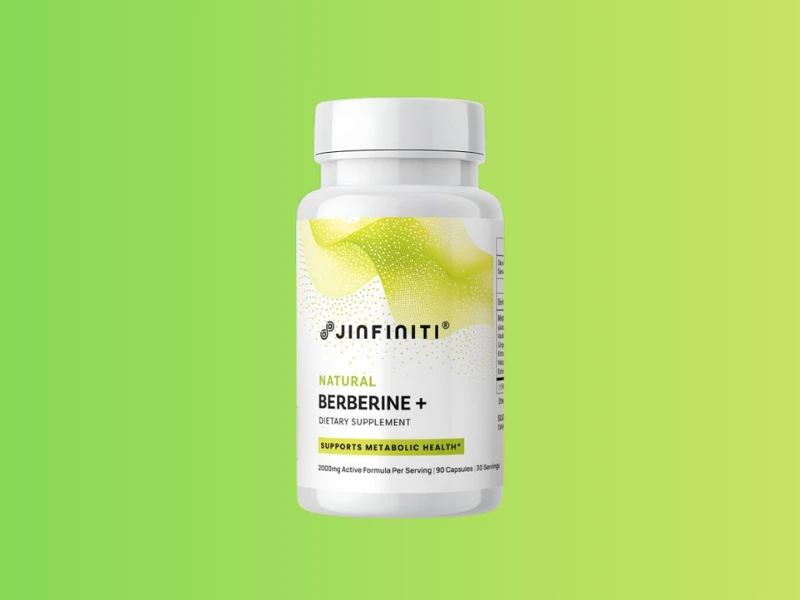
Natural Berberine+ for gut health support and metabolism.
Quick Picks: Best Gut Health Supplement for Your Goals
Use this table like a shortcut, then scroll to the deeper sections for how to choose and how to take each option.
| Goal | Best-supported supplements | Typical dose range | Biggest cautions |
|---|---|---|---|
| Constipation, hard stools | Soluble fiber (psyllium), PHGG (gentler prebiotic fiber) | Psyllium often works best when total fiber is >10 g/day for 4+ weeks; PHGG is often studied around 5–6 g/day | Gas and bloating if you ramp too fast; separate from meds by 2 hours |
| Bloating and cramping | Enteric-coated peppermint oil | Often 180–225 mg 2–3x/day (product-dependent) | Can worsen reflux in some people |
| Stool quality, microbiome support | Selected probiotics | Strain and dose vary widely | Avoid if immunocompromised unless clinician-guided |
| Inflammation or gut discomfort | Curcumin/turmeric extracts, ginger | Curcumin studies vary widely; ginger often 0.5–1 g/day equivalent | Blood thinners, gallbladder issues, reflux (individual) |
| Metabolic-gut support (blood sugar swings, appetite) | Berberine | Commonly 500 mg 2–3x/day with meals (product-dependent) | Can cause GI upset; medication interactions; avoid in pregnancy unless clinician-guided |
| IBS with increased permeability | L-glutamine | 5 g three times daily for 8 weeks in one RCT | Not a casual add-on; talk with a clinician if symptoms persist |
| Mucosal support | Zinc L-carnosine | Commonly 75 mg twice daily (product-dependent) | Nausea in some; check zinc totals across supplements |
What Supporting Gut Health Means
It helps to translate “gut health” into a few plain outcomes you can track.
Your gut microbiome
Your microbiome is the ecosystem of gut bacteria living in your gut, including strains often described as good bacteria.
Fiber and prebiotics feed helpful bacteria, which can produce short-chain fatty acids (metabolites that support the gut lining and immune balance).
A healthy gut tends to have enough diversity and resilience to bounce back after travel, stress, or antibiotics.
Your gut barrier
Your gut barrier is the lining that decides what gets absorbed and what stays out.
Some nutrients may support this barrier under specific conditions, but “leaky gut cures” are usually oversold.
Motility and the gut-brain axis
Motility is how food moves through you.
Stress, sleep, and the nervous system can change motility fast, which is why cramps and urgency can flare on high-stress weeks.
The Best-Studied Supplements for Gut Health
Here are the supplements for gut health with the strongest mix of guideline support, randomized trials, and practical usefulness.
1. Soluble Fiber (Psyllium)
Fiber is the least glamorous supplement on this list.
It’s also one of the most reliable tools for digestion and everyday regularity.
It also has some of the most reliable evidence.
In an updated meta-analysis of randomized trials, fiber supplementation improved constipation, with higher response rates than control, and the best results showing up with higher daily fiber doses and at least 4 weeks of use.[1]
How to use it (simple plan):
- Start with 3–5 g once daily for 3–4 days.
- Move to 3–5 g twice daily if tolerated.
- Pair it with water. Fiber without water can backfire.
Who it’s best for:
- Hard stools, infrequent stools, “I feel like I’m not emptying” constipation.
What can go wrong:
- Gas and bloating are common when you ramp too fast.
- Fiber can bind meds, so separate by about 2 hours.
If you prefer a food-first approach, your baseline diet still matters.
2. PHGG (Partially Hydrolyzed Guar Gum)
PHGG is a prebiotic fiber, meaning it feeds beneficial microbes.
Some people tolerate PHGG better than classic psyllium, especially if they get bloated easily.
A randomized, double-blind, placebo-controlled trial studied PHGG in IBS andtrackedsymptomscores over time. PHGG led to a significant improvement of bloating.[2]
How to use it:
- Many studies use about 5–6 g/day.
- Start with half that for a week if you are sensitive.
Who it’s best for:
- Constipation with bloating.
- IBS patterns where “more fiber” usually feels like a bad joke.
3. Enteric-Coated Peppermint Oil
Peppermint oil is one of the best-researched herbal options for IBS-type symptoms.
The American College of Gastroenterology guidelinestates: “We suggest the use of peppermint to provide relief of global IBS symptoms.”
NCCIH summarizes the evidenceplainly and notes a 2022 review where peppermint oil outperformed placebo for overall IBS symptoms and abdominal pain, with mostly mild side effects.[3]
How to choose peppermint oil:
- Look for enteric-coated capsules (they dissolve lower in the gut).
- Avoid products that are not coated if you are prone to reflux.
Who it’s best for:
- Crampy pain, bloating, “my gut clenches under stress” patterns.
Who should be cautious:
- People with significant GERD or frequent heartburn.
4. Probiotics
Probiotics are living microorganisms, and a probiotic supplement is essentially a delivery system for them.
They can be helpful in some situations, but they are not a guaranteed daily gut fix.
The ACG IBS guideline has a clear line here: “We suggest against probiotics for the treatment of global IBS symptoms.”
Where probiotics may have more practical value is around antibiotic use.
A large Cochrane reviewfound that in people prescribed antibiotics, probiotics may reduce antibiotic-associated diarrhea and may reduce risk of C. difficile-associated diarrhea in some settings.
How to think about probiotics (without the hype):
- Treat “probiotic” like a category, not a product.
- Match it to your situation (antibiotics vs everyday symptoms).
- Track whether it helps within 2–4 weeks, then keep or drop.
Caution:
- If you are immunocompromised or have a central line, talk to a clinician before using probiotics.
6. Berberine
Berberine shows up in gut conversations for two reasons.
First, it has research on metabolic markers like glucose.
Second, studies suggest it can influence gut microbiota composition and metabolites, which may be part of how it works.
A multi-center randomized, double-blind trial explored berberine’s effects alongside gut microbiome changes in people with hyperglycemia. The trial found that Berberinecould regulate the structure and function of the human gut microbiota.[4]
A separate meta-analysis focused on berberine’s positive glucose-lowering outcomes across randomized trials.[5]
Who it’s best for:
- People thinking about gut health through a metabolic lens (blood sugar swings, appetite dysregulation, belly fat gain).
How it can feel in real life:
- Some people notice less post-meal heaviness.
- Some people get GI upset at higher doses.
If you want a deeper overview of berberine in metabolic support, see our guide on natural alternatives to metformin.
6. Turmeric (Curcumin)
Curcumin is the most-studied active compound in turmeric.
In ulcerative colitis research, curcumin has been studied as an adjunct, and a recent review concluded it showed promise for improving clinical and endoscopic outcomes, while noting limitations and the need for larger trials.[6]
That does not mean turmeric “treats” inflammatory bowel disease.
It does suggest that curcumin’s anti-inflammatory biology is relevant to gut tissue in clinical contexts.
Practical takeaways for everyday gut support:
- Absorption matters. Curcumin is notoriously hard to absorb.
- Many studies use standardized extracts plus bioavailability support.
If you want a simple how-to, see turmeric dosage and absorption tips.
7. Ginger
Ginger is best known for nausea, but research also explores it in functional dyspepsia (upper abdominal discomfort, early fullness, post-meal heaviness).
A randomized, double-blind, placebo-controlled clinical trial evaluated steamed ginger extract for functional dyspepsia over 12 weeks and found it to be safe and effective.[7]
If your gut symptoms are mostly upper GI and meal-related, ginger may be a better match than probiotics.
For a broader, food-and-supplement view, see our breakdown of ginger root benefits.
8. L-Glutamine
Glutamine is an amino acid that gut cells can use as fuel.
It is not a universal “gut repair” supplement.
In a randomized, double-blind, placebo-controlled trial, adults with post-infectious IBS-D and increased intestinal permeability took 5 g of glutamine three times daily for 8 weeks. The study found glutamine dramatically and safely reduced all major IBS-related symptoms.[8]
This is a specific population with a specific study design.
If your diarrhea started after an infection and never really normalized, this is worth discussing with a clinician.
9. Zinc L-Carnosine
Zinc L-carnosine (also called polaprezinc in some literature) is studied for mucosal protection.
A review summarizes research and potential applications across GI contexts, including gastrointestinal mucosal disease and impaired permeability.[9]
This is not a first-line gut health supplement.
It’s a “consider if the basics failed and you have a clear reason” option.
🧬 MORE ON GUT HEALTH
- Learn how your microbiome turns food into longevity compounds like urolithin A.
- Use this turmeric supplement quality checklistto avoid weak formulas.
- Build the foundation with high-fiber diet basics that support gut microbes daily in our guide to the healthiest diets for longevity.
A Simple Way to Choose the Right Supplement
You do not need a 10-supplement stack to improve your gut.
You need one good match, used consistently, with a clear way to judge results.
Step 1: Identify your pattern
Pick one primary issue for 14 days:
- Constipation
- Bloating/cramping
- Loose stools
- Reflux-like discomfort
- Post-antibiotic disruption
Step 2: Choose one intervention
Use the table above.
If you want constipation support, start with a fiber strategy.
If you want cramp and bloating relief, peppermint oil is often the first herbal pick.
Step 3: Track what matters
Keep it easy:
- Stool frequency (days/week)
- Stool consistency (soft, formed, hard)
- Pain or bloating score (0–10)
- Tolerance (heartburn, nausea, gas)
Step 4: Make a keep-or-drop decision
- If you see no signal by 2–4 weeks, change the approach.
- If you see a clear benefit, keep the smallest dose that still works.
Where Jinfiniti Fits: Targeted Formulas for Gut-Linked Inflammation and Metabolism
Some gut issues are really inflammation or metabolic issues wearing a gut costume.
That’s where botanicals like berberine, turmeric, and ginger are a practical bridge.
Jinfiniti supplement comparison
| Product | What it targets | Key actives (per serving) | Benefits |
|---|---|---|---|
| Natural Berberine+ | Gut-metabolism axis | 1200 mg berberine (95%) plus ginger, cinnamon, artichoke, astragalus, Panax notoginseng | Supports metabolic pathways alongside gut comfort. Built-in botanicals can improve tolerance and broader effects. |
| Extra Strength Turmeric+ | Inflammation tone and digestive comfort | Turmeric extract (95% curcuminoids) plus boswellia, ginger, quercetin, and piperine | Curcumin absorption support plus complementary botanicals for whole-body inflammation response. |
If you want a gut-focused starting point, many people do well beginning with turmeric plus ginger support, then layering in fiber.
Test, Act, Optimize (So You Don’t Guess Forever)
Gut symptoms can be driven by things you can’t see: inflammation, metabolic strain, nutrient gaps, or stress physiology.
At Jinfiniti, our approach is TAO: Test, Act, Optimize.
It’s the same idea we use across biomarkers: define what “optimal” looks like, act with a focused plan, then retest and adjust.
Dr. Jin-Xiong She puts it bluntly in the NAD context: “NAD values over 100μM may not have additional benefits and can potentially be harmful.”
That one sentence is a good gut-health lesson too.
More is not always better. Better is better.
If you want a testing overview that includes gut microbiome options and blood biomarker platforms, start with our at-home health test comparison.
Safety Notes (Read This Before You Start)
Supplements are still biologically active.
A few quick guardrails keep things sensible.
- Persistent diarrhea, blood in stool, unexplained weight loss, fever, anemia, or night-time symptoms deserve medical evaluation.
- If you are pregnant, breastfeeding, or on prescription medications, check interactions before starting berberine or high-dose curcumin.
- If you are prone to reflux, peppermint oil and even ginger can worsen heartburn in some people.
FAQ
What is the best supplement for gut health overall?
For most people, a soluble fiber supplement is the most consistently helpful starting point. It improves regularity and supports a healthier gut environment over time.
What’s best for bloating and gas?
If bloating comes with cramps and an IBS pattern, enteric-coated peppermint oil has some of the strongest evidence. If bloating is mainly “fiber intolerance,” try PHGG and ramp slowly.
Are probiotics worth it?
Sometimes. They are most convincing around antibiotics and certain specific situations, not as a guaranteed everyday fix for IBS.
How long do gut supplements take to work?
Some work fast (peppermint oil can be noticeable within days). Others are slower (fiber and prebiotics often need 2–4 weeks).
Can turmeric upset your stomach?
Yes. Curcumin can cause GI upset at higher doses in some people, especially on an empty stomach. If you have symptoms, try taking with food.
Should I take multiple supplements at once?
If you start three things on the same day, you won’t know what worked. Pick one main intervention for 2–4 weeks, then add a second if needed.
Referenced Sources
- van der Schoot A, Drysdale C, Whelan K, Dimidi E. The Effect of Fiber Supplementation on Chronic Constipation in Adults: An Updated Systematic Review and Meta-Analysis of Randomized Controlled Trials. Elsevier BV; 2022. https://doi.org/10.1093/ajcn/nqac184
- Niv E, Halak A, Tiommny E, Yanai H, Strul H, Naftali T, et al. Randomized clinical study: Partially hydrolyzed guar gum (PHGG) versus placebo in the treatment of patients with irritable bowel syndrome. Springer Science and Business Media LLC; 2016. https://doi.org/10.1186/s12986-016-0070-5
- Ingrosso MR, Ianiro G, Nee J, Lembo AJ, Moayyedi P, Black CJ, et al. Systematic review and meta-analysis: efficacy of peppermint oil in irritable bowel syndrome. Wiley; 2022. https://doi.org/10.1111/apt.17179
- Ming J, Yu X, Xu X, Wang L, Ding C, Wang Z, et al. Effectiveness and safety of Bifidobacterium and berberine in human hyperglycemia and their regulatory effect on the gut microbiota: a multi-center, double-blind, randomized, parallel-controlled study. Springer Science and Business Media LLC; 2021. https://doi.org/10.1186/s13073-021-00942-7
- Xie W, Su F, Wang G, Peng Z, Xu Y, Zhang Y, et al. Glucose-lowering effect of berberine on type 2 diabetes: A systematic review and meta-analysis. Frontiers Media SA; 2022. https://doi.org/10.3389/fphar.2022.1015045
- Peng Z, Li D, Wu N, Wang XY, Sun GX, Gao HB, et al. Safety and efficacy of curcumin in the treatment of ulcerative colitis: An updated systematic review and meta-analysis of randomized controlled trials. Elsevier BV; 2025. https://doi.org/10.1016/j.explore.2024.103083
- Baek HI, Ha NR, Kim C, Im TJ, Kim YY, Hwang SH, et al. Efficacy and safety of steamed ginger extract for gastric health: a randomized, double-blind, placebo-controlled multi-center clinical trial. Royal Society of Chemistry (RSC); 2025. https://doi.org/10.1039/d5fo01172h
- Zhou Q, Verne ML, Fields JZ, Lefante JJ, Basra S, Salameh H, et al. Randomised placebo-controlled trial of dietary glutamine supplements for postinfectious irritable bowel syndrome. BMJ; 2018. https://doi.org/10.1136/gutjnl-2017-315136
- Efthymakis K, Neri M. The role of Zinc L-Carnosine in the prevention and treatment of gastrointestinal mucosal disease in humans: a review. Elsevier BV; 2022. https://doi.org/10.1016/j.clinre.2022.101954
Read More